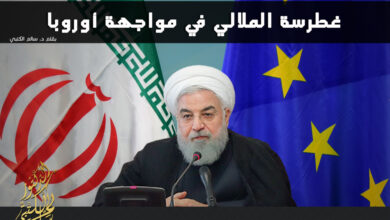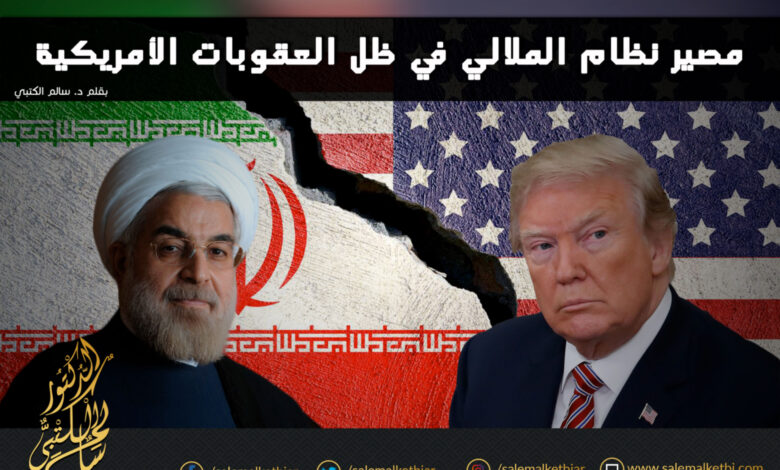
A few months after the Trump administration pulled out from the 2015 Iran nuclear agreement, this week saw the entry into force of the tougher, second package of US sanctions on Iranian oil exports. States, foreign companies and entities that keep buying oil or doing business with banks from Iran would be banned from US markets.
This decision would be enough to strangle any economy or beleaguer any company linked to the Iran’s oil or banking sectors, depriving it of any real opportunities to engage in the global economy.
Despite the EU willing to maintain the Iranian nuclear deal, European companies will find a hard time to stay dealing with Iran because current protection laws aren’t enough to preserve their interests. They are well aware that losing transatlantic markets could bring some to collapse.
Excluded from the sanctions because “they have demonstrated significant reductions in their crude oil,” eight countries will temporarily be able to continue to import Iranian oil. Two of them promised to cut off the Iranian oil imports in the future, while others like Turkey have “cooperated on many other fronts” with the United States.
The list of excluded countries might include countries the United States had to exclude from the “harshest sanctions in history,” so as not to strain relations with them; they were not going to stay committed to the sanctions anyway.
The US move is expected to have very painful effects on the Iranian economy. In anticipation, Tehran has recently carried out a proactive cabinet reshuffle, mainly involving the change of the ministry of economy. Needless to say, the facilitated payments to Iran’s exports by the Europeans, which come into force concurrently with the sanctions, will not do much to protect its economy.
The severe Post-JCPOA sanctions will further pressure the mullahs, already suffering from growing public outrage over rising prices, inflation and growing unemployment. It will also halt the funding of Iranian-sponsored terror entities in Syria, Lebanon and Yemen.
The point behind the sanctions is to squeeze the regime, encourage internal protests and force the mullahs into the negotiation table, similarly to the North Korea scenario. The question, though, is whether sanctions can have the same consequences in the Iranian situation. A case in point is theat historical sanctions have failed in putting pressure on regimes into dialogue.
Knowing of the Iranian regime, in order for sanctions to be any good, the regime itself has to be at stake. In other words, the possibility of its collapse under a public outcry will be a strong motivation to bring the mullahs to the negotiating table. But if the sanctions end up only to the suffering of the Iranian people, the regime would survive, and so will its expansionist projects in the Middle East.
The United States sanctions will affect the fate of the regime because it deprives it of most of the oil revenues, which are not only the nerve of the Iranian economy, but also the source of the funding for the regime’s interventionist plans through the Arab region. After the US sanctions come into force in a few months, the authoritarian regime is likely to be strangled.