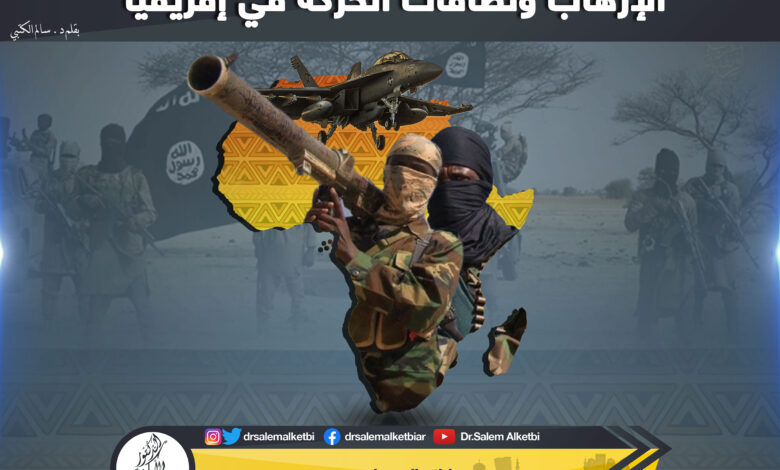
Terrorism is making a resurgence in various parts of the world, exploiting the world’s current focus on the Ukraine crisis. The ongoing power struggle among major nations in some regions is creating a gap for terrorist groups to thrive. In Africa, the recent withdrawal of French troops from Mali and Burkina Faso has added to the vulnerability of the region.
African nations are now working to rebuild alliances with international powers. However, the influence of traditional African allies is declining, as new players such as Russia and China rise in prominence. West Africa is home to branches of Al Qaeda’s Nusrat al Islam wal-Muslimin and Daesh, which are causing chaos and insecurity across several African countries.
These include Mali, Burkina Faso, Niger, Chad, and others. The situation in Libya has exacerbated the spread of terrorism in West Africa and the Sahel and Sahara region, which some countries view as a hub of terrorism. This was stated in a report by Russian presidential envoy to the Middle East, Mikhail Bogdanov, who published his findings on the state of Africa in late 2022.
The spread of terrorism in Africa is particularly concerning due to its links to other criminal activities such as human trafficking, illegal immigration, drug trafficking, and arms trafficking. The soft security environment, including ethnic conflicts and lack of state control in some areas, provides a conducive space for these organizations to grow and exert their influence.
This is further compounded by certain regions of Africa becoming a refuge for drug trafficking gangs escaping crackdowns in the Americas. Global experience in countering terrorism highlights that the threat posed by this phenomenon cannot be ignored in any part of the world. Extremism is a transmissible threat that transcends physical and digital boundaries.
If terrorism continues to spread, it endangers everyone globally, regardless of location. Hence, it is crucial for the international community to address the growing risk of terrorism in the Sahel-Sahara region. Effective international cooperation is necessary to dismantle terrorist organizations operating in this area.
It is equally important to address the underlying factors that have led to the proliferation of extremist ideology and the concentration of cross-border terrorist organizations in these areas. This includes factors such as political, economic, security, military, intellectual, and others.
Additionally, the international community must avoid creating opportunities for terrorist organizations to exploit the current fragmented conflict situation. Experts warn that the growing divide between Russia and Western nations in Africa is fueling the spread of terrorism and urgently needs to be addressed to prevent future deadly consequences.