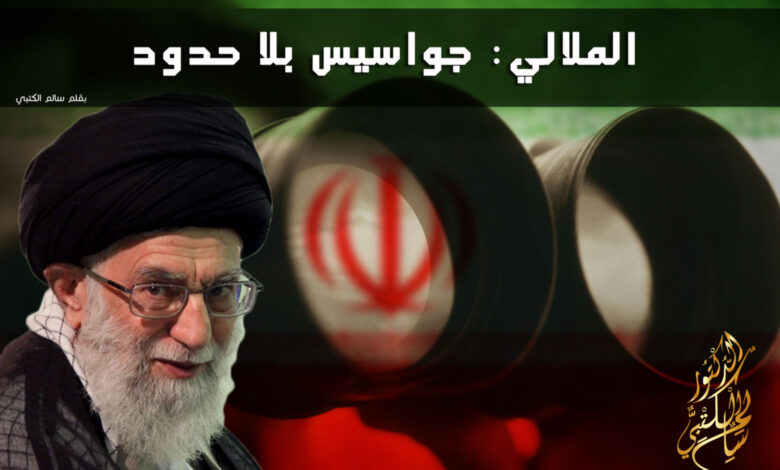
Iran’s mullahs do not stop spying on any country where their diplomats are allowed to travel freely. Observers and experts of the Iranian affairs know that the mullahs use their country’s embassies as centres for espionage and the Revolutionary Guards carry out their activities under the guise of diplomatic action.
The last scenario of these frequent crimes took place in Kuwait, which did not escape the harm of the mullahs although it opened its door during last February to receive Iranian President Hassan Rouhai. During this visit, Kuwaiti efforts to reconcile views of Saudi Arabia and Iran were made, reflecting the Kuwaiti role in calming and sparing the region further tensions and conflicts. The visit by the Iranian President followed a visit of the Kuwaiti Foreign Minister to Tehran, supposedly to invite the Iranian President to create an atmosphere for cross-Gulf dialogue.
The mullahs did not take into account Kuwait’s good intentions and positive role, which did not start last February but have been going on for years. They called on their spies to harm the security of a country that showed good intentions to build relations with an untrustworthy party. As usual, the mullahs openly expressed their abhorrent intentions against the Gulf people and have met these good efforts with arrogance and ungratefulness.
The State of Kuwait was sure, by means of conclusive evidence, that a number of Iranians were involved in a spy case, then demanded the Iranian embassy to reduce the number of its diplomats and asked the ambassador to leave the country within 48 hours. This move reflects the magnitude of the crime unveiled by its authorities and the involvement of the Iranian ambassador himself.
Kuwait plays the mediator role to reach mutual understanding between neighbouring countries. The mullahs are well aware that Kuwait is specifically an important mediator for them in any attempt to rebuild trust with the GCC countries, but it seems that they did not take seriously the country’s security vigilance and thought they can destabilize Kuwait too.
The Iranian authorities did not find any response to the decisions of the expulsion of its diplomatic delegation except the vague claim that Kuwait has succumbed to Saudi pressure. This raises an obvious question: Where was this alleged Saudi pressure over the past months and years since the beginning of the spying case in 2015? Why did the Kuwaitis wait till now to yield to alleged pressures? It is regrettable and even shameful for the mullahs not to rethink their failed foreign policies, which rely primarily on espionage and financing plots and Shiite militiamen.
The attitude of Kuwait toward the Iranian diplomatic delegation is very wise and objective; it is based on a strong judicial judgment and credible evidence. Kuwait did not rush to take any action against the mullahs, despite strong indications of official Iranian involvement since the discovery of the espionage cell. Kuwait has acted naturally in the context of official relations with Iran. When Iran’s official involvement in espionage was confirmed, there was a need to act according to international laws and covenants to defend the security of Kuwait and protect the interests of its people.
The mullahs must stop their espionage and incitement against their neighbours and should reconsider themselves and their policies. Enough is enough of these reckless policies, which are suitable for organizations, crowds and militias, not for States living in the twenty-first century.