Saudi Arabia’s accession to the G20 presidency marks a decisive turning point in the international group’s performance and vision on the world’s problems, issues and strategic challenges.
For a whole year, with a new vision and an unprecedented openness to the world, the kingdom offers humanity new approaches to face these challenges and issues. Saudi Crown Prince Mohammed bin Salman said when he highlighted the Kingdom’s commitment during its G20 presidency to continue to work towards global consensus and seize opportunities to meet the challenges of the future.
The importance of the G20 lies in its position as a central international policy maker, including developed countries, the world’s largest developing countries and emerging economies. This group was created in 1999 in response to the urgent need for a new international consensus on the financial crises of the late 1990s.
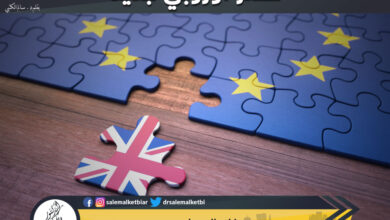
One aspect of its strategic importance is the strength of its 20 members (19 countries in addition to the EU Presidency). There is also the important strategic position and power enjoyed by the countries of the Group, which includes the largest, most developed and most powerful countries in economic, industrial and military terms, and includes different entities in its position and levels of development, competitiveness and geostrategic excellence at the global level.
The most important advantages of this group are also that it is closer to the formula of a global development alliance. The new formula, a qualitative development of the G8’s role, supports the global economy and addresses the dilemmas and crises it faces, in order to improve opportunities for global economic growth and have a positive impact on the economies of all countries in the world.
Thanks to the geographical and economic diversity of its member States, ranging from major industrialized to emerging and developing economies, the Group is an ideal platform for global economic dialogue.
It is therefore the global group that is most successful in addressing major challenges and financial crises, making it a solid pillar of global economic stability.
Against this backdrop, Saudi Arabia, one of the group’s founding countries, plays an important role in guiding the world economy towards stability. Saudi Arabia is a major global economic powerhouse. It ranks third among G20 countries in terms of foreign exchange reserves after China and Japan. The Kingdom’s foreign exchange reserves represent approximately 6% of the total reserves of the group’s countries.
This surely reflects positively the role and influence of the Kingdom in global economic decision-making. It also positively reflects the Kingdom’s economy, which is undergoing a qualitative change in history and is moving towards the objectives of its Vision 2030, an ambitious vision that puts the Kingdom on the scale of global competitiveness in various areas of development.
While it is difficult to separate politics and economics in any global dialogue table, global strategic issues are a priority for the countries in the group, including the Iranian issue, as this issue has negative implications for the stability of the global economy, particularly in terms of energy security. Iranian threats to the security of energy corridors are a major factor in the instability of the global economy.
The Kingdom’s chairmanship of the group comes at a time of intense trade conflict between the two world economic poles, the US and China. The conflict affects the world economy and weighs on oil prices, of which the Kingdom is one of the main producers and exporters, as it causes a slowdown in the world economy and therefore a relative decline in the demand for energy materials.
Through its presidency, the Kingdom ensures that this group plays an essential role in bringing the views of oil-producing and exporting countries to this global meeting and in formulating clear international positions.
In addition, the Kingdom is the only Arab and Gulf State member of this group. It thus brings the voice of the Gulf and the Arabs to this international meeting with its considerable economic and financial influence.
On the other hand, it is useful for the world to listen to Saudi Arabia’s views and vision of global economic and financial dilemmas and their causes, given its position and weight as an oil producer and exporter. The Kingdom ranks third in the list of the world’s leading exporters of remittances from expatriates with 135 billion riyals per year, according to statistics in 2018. It is also an influential player in the economies of labour-exporting countries in East and West.
It is therefore important to establish a state of cooperation and integration to manage the global economy and address its problems and dilemmas. Overall, the Saudi presidency of the G20 is giving new impetus to the global economy in the 21st century.