After the horrific massacre of innocent worshippers in two synagogues in Christchurch, New Zealand, thousands of messages focused on Islam-West relations have been broadcast in social media around the world.
The most striking of these massive virtual flows is the presence of texts prepared in advance, apparently by professionals, on historical battles that the Ottoman Empire or Europeans won.
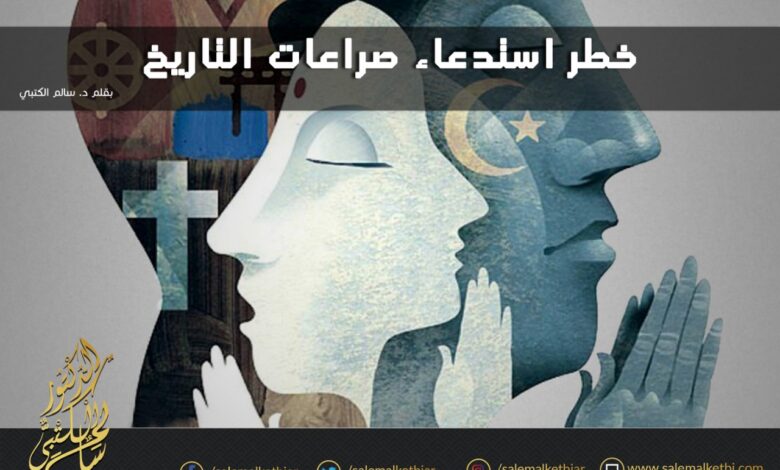
The appeal to historical battles in this detailed form to proclaim victory for such or such ideology is an intentional and systematic evocation of the concept of the clash of civilizations and religions. Mobilizing young people against each other, whether Muslims or followers of other religions and belief systems, and even far-right nationalists, is, to say the least, “suspicious.”
Social media has become a global arena for the exchange of ideas and opinions. But there are also people who use them in the so-called fourth generation wars. This idea is not the product of conspiracy theories that some Arab intellectuals are accused of maintaining. Historically, the media has always been an integral part of the political practice in international relations.
The sudden and unexpected appeal to history, particularly historical battles, I believe, was made on a religious basis. There is strong pressure to turn religious conflicts into bloody ones in the coming years. The factors that triggered the previous world wars are evidence of this. The smallest sparks started the major wars.
The wise minds of the world must understand that the global economy of the 21st century is conducive to conflict. Whether for good or for bad, ideas are spreading all over the world with a dazzling speed. Proponents of sedition and promoters of the “clash of religions” theory will not find a more ideal environment than the current climate. There is no legislation and laws that deal with this huge flow of information in cyberspace.
The terrorist who perpetrated the Christchurch massacre shared his thoughts on his online page years earlier. He reportedly published his criminal plan about 20 minutes before the attack. However, he was able to commit his crime in a peaceful country where the security forces never thought that such a grotesque scenario could ever happen.
In this respect, the wise person cannot completely discredit the idea that if a similar massacre keeps happening, it could lead to a major religious conflict or a third world war.
In today’s world, we find leaders and politicians who dominate the scene of provocation and invoke the conflicts of history.
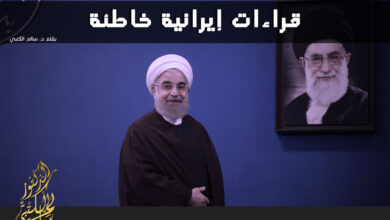
There are mullahs in Iran who imix Islam and Persian nationalism. There are Turkish leaders who refer to the glory of the Ottoman Empire in their policies as well as historical television shows that feed the seeds of religious nationalism to millions of young Muslims. In the West, there are anti-immigration and anti-refugee politicians who praise white supremacism. And there are, of course, terrorist organizations like Al Qaeda and Daech that thrive on bloodshed.
The wise ones of the world should open their eyes to the growing threat of nationalist, religious and racial extremism. Terrorism is the same everywhere. All that goes against the values of coexistence and moderation is radicalism that leads to terrorism and that we must get rid of.
The world must understand that extremism and freedom of expression are two distinct things and that the abuse of this freedom can threaten whole societies. Freedom does have its limits, without which we can only expect to see the consequences of violence and terrorism.
Terrorism develops over several phases, progressing towards a peak of violence that, luckily, we have not yet reached. For example, Daech’s organization had been inspired by Al Qaeda but was more violent.
What is happening around us, especially in terms of media mobilization, suggests that the world is going to face a new generation of more sophisticated terrorists. The social media is increasingly being used by the proponents of interfaith conflicts.
We must understand the lessons of the recent past and face this danger before we wake up on another massacre.