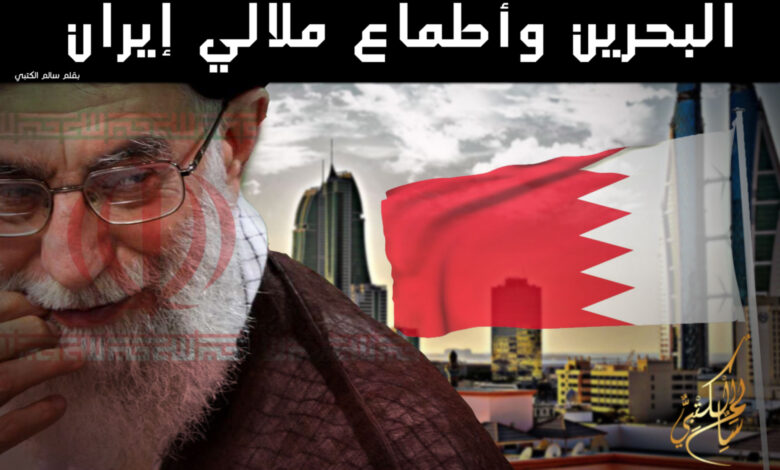
You may recall Iran’s President visit to Oman and Kuwait. He spoke a political discourse that revealed Iran’s true intentions and its desire to open a new page with the regional neighbours. There were confusions after the Office Manager of President Rouhani talked about a historic opportunity that must be exploited by the GCC countries for reconciliation with Iran. I had said at that time that the political discourse of the Iranian president is deceptive, because decisions are only made by the Mullahs and the leaders of the Revolutionary Guards.
Barely a month after this visit, two important events took place. First, there were Iranian allegations about the ownership of two islands in the Arab Gulf, which are in fact under the sovereignty of the United Arab Emirates. Iran claims to have documents which prove their ownership and that it is going to take them back. This was a fabrication of a fictitious conflict that is intended to distract attention from the case of Iranian occupation of the three UAE islands of Greater Tunb, Lesser Tunb and Abu Musa.
The second incident within a month after Rouhani’s visit was that Bahrain realized that there are links between a terrorist organization and Iran’s Revolutionary Guards. This organization, which includes 54 people, was dismantled, and was planning to commit terrorist crimes without any consideration of security and stability of the kingdom. Investigations have revealed that some members of the organization had been training at Revolutionary Guards’ camps in Iran and Iraq.
In fact, I am surprised at those who are deceived by the Iranian discourse, and who deal with the Mullahs according to what they say and not according to their acts and intentions. This regime is used to lie and be deceptive in relations with the Gulf Cooperation Council. Crimes and accidents in the GCC countries were staged in order to achieve certain goals. For instance, the arrangement of the incident during the pilgrimage season two years ago, which probably killed hundreds of pilgrims, was aimed to be a pretext to accuse Saudi authorities of failing to organize the Hajj season. The claim that the sacred places must be internationally managed is what the mullahs talk about in international Islamic forums.
Iranian media followers will not find it difficult to understand Iran’s intentions towards Bahrain. The Mullahs use a colonial discourse to talk about Bahrain, and attempt to have Iranian people think Bahraini territory historically belonged to Iran. The mullahs do not consider Bahrain an independent Arab Gulf country or a member of the United Nations. Even more, some of them demand to militarily occupy it.
These claims reflect the nature of this regime, which is characterized by the indecisive political discourse toward Bahrain due to changing international circumstances. The Iranians became aggressive after the signing of the nuclear treaty in 2015, when they felt the ecstasy of victory, and that massive powers have given them right to act according to their intentions in the region. Iranian political discourse toward Bahrain was clearly aggressive and hostile, especially from the side of the Revolutionary Guard commanders. Later on, this discourse gradually fell and even disappeared after the US president Donald Trump took control and with the emergence of new fears of the White House’s intentions against the mullahs. Donald Trump has taken a new course in the relationship with Iran. He rejected Obama approach and became more serious starting by the reconsideration of the nuclear treaty and even its abolition as it was reported by the US administration.
However, Iran’s ambitions in Bahrain are unstable according to conditions. But the mullahs are not aware that Bahrain is not engaged in the conflict alone. Bahrain’s security is part of the security of UAE, Saudi Arabia and the rest of the GCC countries. The five countries will not let Bahrain stand alone against Iran. It is a kind of stupidity that the mullahs think they can repeat the scenario of crimes in Bahrain, as they did in Yemen.
Iranian interference in the affairs of Bahrain makes it difficult to build a normal relation with Iran unless it abandons its absurd policy and commits to international laws and conventions. Otherwise, Iran will remain a hostile State with clear expansionist ambitions in the territory of the GCC countries.
I cannot understand why the mullahs are keeping this state of hostility with regional countries. Why do mullahs adopt this irrational policy of intervention in the affairs of Arab countries despite its costs at the political, economic and strategic levels? Do they believe they can actually dominate a sovereign Arab country with no reaction from the GCC countries?
The Iranians do not realize the consequences of their actions. They always bet on “brinkmanship” in the management of all files of their foreign policy. This policy is characterized by provoking unrest and causing disorders. Their regime is based on a policy of justification of their failure in terms of development and the wasted billions of dollars in revenue from the sale of oil that they are spending on their militias in Iraq, Syria, Yemen, and interventions in several countries around the world both to finance terrorist organizations and to achieve doctrinal expansion.