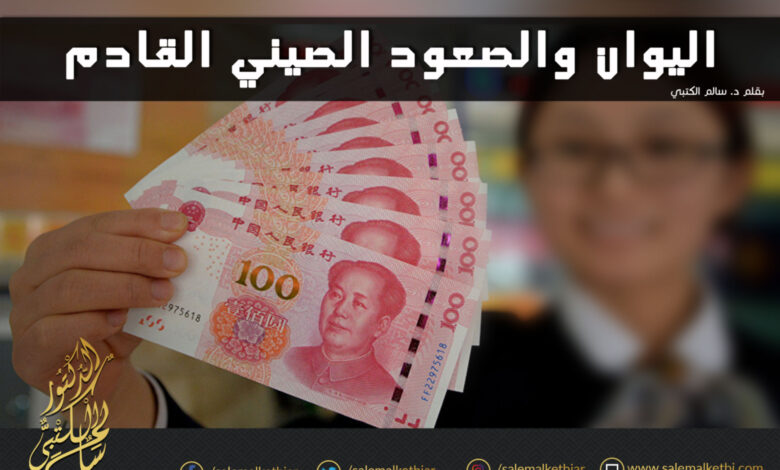
In the context of China’s relations with the oil-exporting countries in the recent period, a point received much attention in most of the discussions between the Chinese side and the representatives of the countries that export oil to China. The point in question is the pricing oil in Chinese yuan.
The purchase of oil in yuan is no longer a mere Chinese plan. Beijing has already taken the first steps in 2009 to promote the yuan, a symbol of China’s strength and growing economic standing, on the global level.
China has become the world’s first oil-buying country, ahead of the United States. The great power is seeking to buy oil in its domestic currency, increasing its strength in international currency markets and pushing it to the world. China has discussed this with several oil-producers—including Russia, Angola and Iran—which share China’s desire to break the global monopoly of the US dollar. China had launched the Shanghai crude futures contract, an indicator that is expected to become a major world oil price index like Brent.
If the plan of buying oil with the yuan works, the use of currency is likely to extend to other business transactions with the world’s second biggest economy. China had already tried a similar plan in 1993, yet internationalization stalled due to fluctuating prices. Beijing is more careful this time. China has been floating the idea in economic cooperation conferences and focusing on the vision of a multilateral global order, an idea shared with other emerging powers.
China does not rush to impose its currency internationally, as the tightening of the dollar grip on the oil markets took about four decades. So it is moving slowly, cautiously and in stages. China is not looking for rapid commercial and economic returns at this stage, but has a long-term strategic goal to influence the dollar’s dominance over the reserves of international currencies.
The dollar symbolizes the US hegemony so the successful gradual introduction of the yuan as a rival to the dollar implies a strategic and economical loss for the US.
China’s likely plans to impose the yuan is increasing in probability—as its purchasing power rises—and the US is shifting from an oil consumer to a shale oil exporter, setting the world oil price in yuan to become a matter of serious expectations.
China’s increasing trade using the yuan and the pricing of oil in yuan will force central banks to increase their reserves of the Chinese currency either to finance their imports of Chinese products or in anticipation of any circumstances requiring the yuan to be put in a currency basket.
China’s share of world trade remains below 5 percent, while about 45 percent of world trade is in dollars. But because strong currencies come from strong economies, and given that the US economy is at its best, the dollar is not going to collapse and be replaced by the Chinese currency.
The gradual weakening of the dollar’s dominance over the global economy is a possibility, however. The pace of its decline depends largely on the pricing of oil in dollars.
Also, the US will not stand idly by in the face of the Chinese attempts to undermine the dollar. The US currency is a tool of control of the global economy which translates into mechanisms of economic hegemony and sanctions. So it is likely that this competition will fuel the currency war that began in recent months.
From a political viewpoint, China is moving in an international arena hostile to many US policies. The opportunity is very favorable for Washington’s allies in the Gulf region to strengthen their position in the existing partnership with the US, because US policies are no longer widely accepted. US allies should think not to engage quickly in the Chinese yuan plan but to get a strategic support in exchange of their support for the dollar under the given circumstances.