We watched a heated round of the China-U.S. trade war that targeted US$200 billion of Chinese exports to the United States. The export tariff has more than doubled. The war peaked with the targeting of Chinese telecommunications giant Huawei. In May, as the U.S. campaign escalated, international sales fell by 40 percent.
The Chinese manufacturer has tried to export indicators of confidence in the unmatched capabilities of its technologies, especially those of the fifth generation. However, it has posted a $30 billion reduction in production over the next two years and a stable sales target of $100 billion in 2019 and 2020. Of course, the Chinese giant has been temporarily hurt by US sanctions that have kept it from getting some updates to its Android OS.
One of the most important factors that influenced President Trump’s position and tendency to negotiate with China was his desire to neutralize China’s position in major international crises, such as North Korea or Iran.
Trump was concerned about the negative impact of the economic war with China. According to an American study, the cost of the war is estimated at $500 per year per household, due to the increase in the prices of Chinese clothing and goods.
The war is likely to have a major impact on the upcoming American elections. Statistics show that about 70% of footwear, 85% of luxury goods and 40% of clothing sold in the United States come from China. There are products that come exclusively from China. Making them in the United States will lead to a sharp increase in prices.
Specialized reports have even indicated that the bill for Trump’s trade war is being paid by American consumers.
Americans will go to the polls next year to choose a new American president or re-elect Trump for a second term.
Some experts may have been aware from the outset that the imposition of tariffs is only a US negotiating tactic. President Trump himself conceded that a trade war could harm the American economy and that he is banking on the long-term damage to Chinese companies. But things turned out to be different from what the US administration had hoped for.
The Chinese did not give the impression that they were bowing to American pressure. They know that this trade war has strategic dimensions, including to curb China’s rise to power on the world stage.
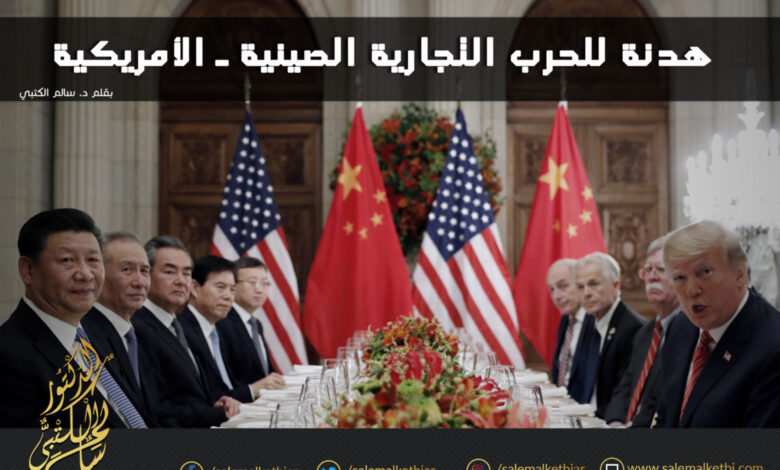
During the 80-minute meeting held by Presidents Donald Trump and Xi Jinping at the G20 summit in Osaka, the two sides agreed to resume trade negotiations and mitigate the trade dispute that has led to a global economic downturn.
At the end of the meeting, the American President announced: “We had a very, very good meeting with China.” Trump has backtracked on his threat to impose additional duties on Chinese imports. Most importantly, he assured that cooperation with Huawei will resume and that American companies will keep selling their technologies to Huawei.
“China and the US have highly integrated interests and intensive co-operation areas and they should not fall into so-called traps of conflict and confrontation,” commented the Chinese president.
For the Chinese telecommunications giant and for global markets, this is definitely good news. The devastating Sino-American trade war has caused markets to enter recession and slow down. But the question is: Did the war end with the resumption of negotiations, as President Trump said? No.
Studies have shown that U.S. businesses and consumers pay $3 billion a month in additional tax costs. They are basically paying the price of most of the tariffs imposed by President Trump. The biggest losers are the farmers and workers who supported President Trump in the 2016 elections.
How does President Trump balance the losses of his constituents with his desire to strengthen his electoral base by creating jobs and protecting the working class? It was the elections and global crises that pushed Trump to get along with China in this trade war.
Day after day, the White House proves to us that the magic word of its policy is “deals,” whether with China or other commercial rivals or strategic enemies.