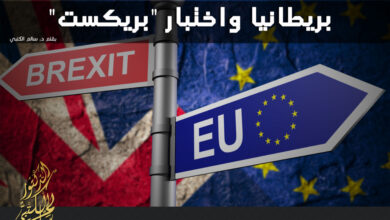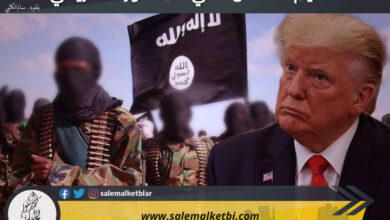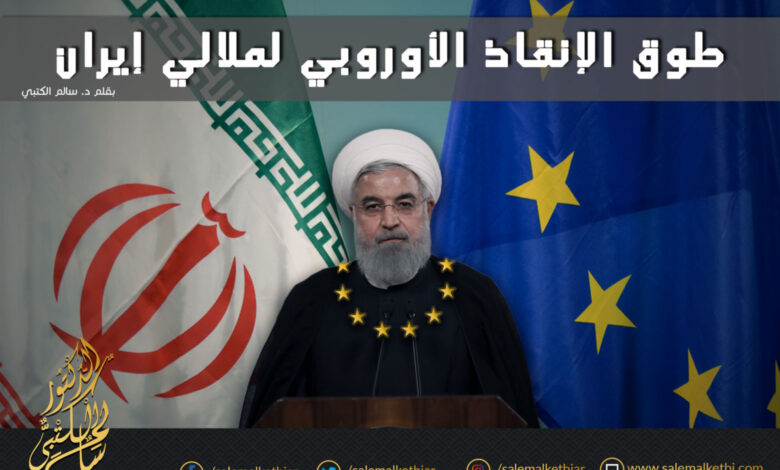
Amid Iran’s regional and international isolation exacerbated by its expansionist practices in Iraq and Syria, its support for terrorism, its militias in Yemen, the Lebanese Hezbollah and other agents of the sectarian mullahs, who have spread chaos and unrest in various parts of our Arab world in recent years following the Trump administration’s withdrawal from the nuclear agreement, the European Union pursued an individualistic policy. The EU recently created an entity to escape US sanctions against Iran and allow its regime the necessary funding to pursue its schemes through the continued trade and export of oil.
The approval of this entity, aimed primarily at buying Iranian oil, reflects a selfish approach to international politics and provides a lifeline to allow the mullahs to survive and limit the impact of the US sanctions. Although Europe always praises human rights and the defense of peoples, the Iranian people are suffering because of the regime’s policies. For many days, millions of Iranians protested in all Iranian cities demanding a dignified life and channeling resources to the public interest. The Europeans did not listen to all these protests. They continued to deal with a regime that caused chaos and unrest in the Middle East—a vital region to European strategic interests—and to yield to the dictates of the Iranian regime.
The EU is exaggerating the danger of withdrawing from the nuclear agreement and the usefulness of this agreement, which gave the mullahs a historic opportunity to realize their expansionist dreams and spread sectarian militias in many countries in the region. The agreement also achieved little results in reducing Iranian missile capabilities threatening Europe itself.
Surprisingly, High Representative of the European Union for Foreign Affairs and Security Policy Federica Mogherini defends Iran and does not realize that providing a platform for Iran to evade US sanctions is not in the interest of regional stability and that the Iranian regime takes the European position as a pretext to pursue its expansionist policies funded by oil sales to Europe.
There is a serious and profound error in European strategic calculations in dealing with Iran. This opportunistic regime should not have been allowed to exploit the rift in transatlantic relations.
The EU has not agreed with President Trump’s move to withdraw from the nuclear deal without offering a strategic alternative that would fix the obvious gaps in the nuclear agreement or persuade the regime to cease its missile programs. They did not even exploit the regime’s need to export oil in negotiations about the international concern about the Iran’s missile capabilities and reduce its destabilizing activity in the Middle East.
All the Europeans have done since the US withdrew from the deal was circumventing any decision to impose sanctions on Iran, even though European companies themselves have withdrawn from Iran for fear of falling under sanctions and damaging their business with the United States.
Europe ignores the fears of its partners in the GCC countries with all their strategic weight. The volume of trade exchange between the EU and Saudi Arabia, the UAE and Bahrain is comparatively higher. The disregard to the GCC countries’ view on the Iranian threat remains difficult to understand.