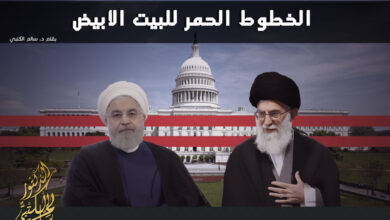
As the Iranian people suffer from the novel coronavirus (COVID-19) outbreak, the Iranian Revolutionary Guards came along to break celebratory news. The first Iranian military satellite has taken off into space and is orbiting Earth, they said, describing the event as an important military achievement.
That would indeed be the case, if what was announced had actually happened.
It would be a success if the causes of the suffering of the Iranian people were addressed, if sufficient resources were put into development and if the victims of the coronavirus epidemic were taken care of before funds were earmarked for military projects.
How ironic. The Iranian Revolutionary Guards continue to drain the budget of the Iranian people. Meanwhile, the government is knocking on every door looking for international support to end US Sanctions against Iran to cover the need for coronavirus treatment. Already, the virus has claimed more than 5,000 lives in Iran.
The Iranian Revolutionary Guards are engaged in crude political propaganda. They are trying to hide the bleak realities of the country. They have even hailed “victory” in the virus crisis. Yet the statements of the political leaders belie the claims of the Revolutionary Guard bosses that the battle against the coronavirus outbreak has been won, giving the impression of a “healthcare success.”
Looking at the growing crises of the Iranian people, it seems reasonable to ask this: what’s in the so-called successful space invasion for these millions of people?The Revolutionary Guard leaders pride themselves on what they believe to be a space win, seeing it as a message of hope for their people and a signal of defiance for the US.
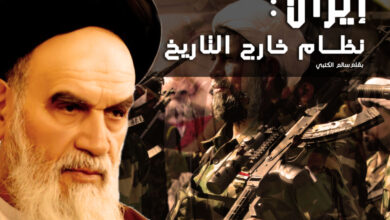
The mullahs’ regime has two major problems. The first has to do with the strategic priorities of the Iranian state. The regime believes that directing national resources towards external sectarian expansion projects Iran’s regional weight.
That did not happen, though, despite the resources having been wasted ever since 1979. Rather, to deprive the Iranian people of the decent life they deserve is to entrench social ills such as drug addiction, unemployment, family disintegration and other misfortunes plaguing Iranian society.
The second problem is the lack of strategic vision of Iran’ s foreign policy on the regional and international level. The mullahocracy has isolated the country both regionally and globally. Its bellicose policy and sectarian interference in the affairs of neighbouring countries, as well as its involvement in the root causes of regional chaos and unrest across the Middle East, have earned it neighbouring countries’ hostility.
Evidence of this strategic flaw, the mullahs still talk about their desire to open a dialogue without preconditions with the GCC’s neighboring countries, the same old stale rhetoric on how to address regional issues.
The crisis, the mullahs know very well, is not about preconditions. It does not even have to do with Iran’s willingness to engage in this dialogue. It comes down, rather, to the goodwill and seriousness of the efforts to bring about regional security and stability.
It is not sitting at the negotiating table that is the main hurdle. Rather, it is the sincere will and serious intentions to settle the causes of the differences and tensions the Iranian regime knows all too well, including its aggressive behaviour and policies.
As a matter of fact, it seems that the mullahs’ regime has no plans for development. What it does have is a 100% sectarian-colored military expansion project. But the regime likes to hide its true colours. As a result, Iran’s role in the world has dwindled and its people have been kept from taking part in building, developing and enriching human civilization.
The real messages that this satellite is sending are in fact meant for the Iranian regime, which must take notice of its priorities. Suffice it to say that it has remained powerless and incapable of providing its people with the most basic personal protections, such as masks, among others, during the COVID-19 crisis, bragging about space conquest.