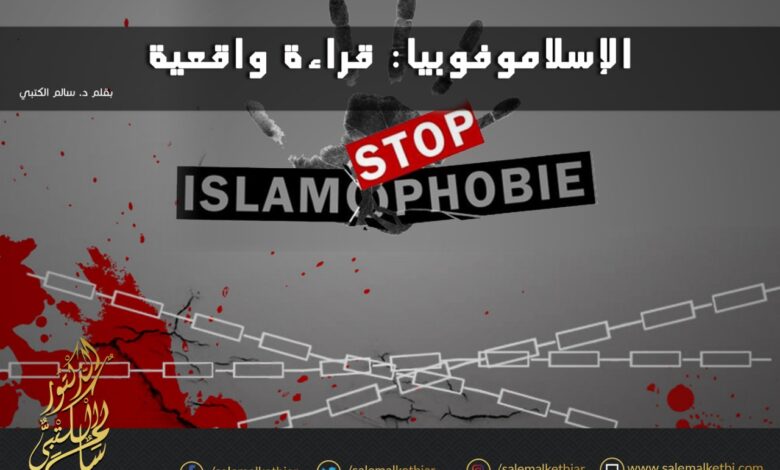
Following the far right terrorist attack on two mosques in Christchurch last Friday, many have linked the massacre to the rise of Islamophobia in Western countries. In fact, the terrorist explained his motives in a 76-page-long manifesto that he published on the Internet.
The problem, however, goes beyond finding the motives. The real issue is that the countries threatened by either the kind of terrorism that is associated with Islam or far-right terrorism do not do enough to approach these ideologies until they becomes violent.
In the wake of the attack, some in the Arab and Muslim World questioned the role of mosques in Western countries in encouraging violence, terrorism and hate speech. They went on to accuse them of provoking the Christchurch far-right terrorist.
The criminal, however, said that he was radicalized since 2008. He planned to commit his crime for a long time, years before the rise of Daesh or even the wave of refugees from Syria and other Arab conflict zones.
Debates of this kind seem to be fishing in troubled water. Some organizations and groups, most of which are themselves promoting radicalism, are using the attack to settle their political accounts with some Arab and Muslim countries.
On the other side of the world, the West seems indifferent to the consequences of rising Islamophobia. Some Western politicians are using their far-right stances to appeal to voters, careless about the long-term consequences this could have on national security and social cohesion.
To make things worse, some entities in the Arab and Islamic world finance terror organizations and invite their leaders to talk shows that promote polarization. Terrorist organizations work according to the agenda of those who host, finance and arm them.
The culture of incitement and radicalization is widespread across the world. But no one is doing enough about it. Radicalism has been mixed with other concepts such as resistance and the different shades of the political spectrum including the left and right. Radicalism also has a problematic relation to freedom of speech as well as nationalism.
Remaining silent over racist crimes is a free gift to the ideology of terror organizations like Daesh and a kiss of life to Al-Qaeda, after they were defeated on the ground. Silence gives their sympathizers something to talk about.
Ever since the 9/11 attacks, many conferences and seminars took place in the Muslim world to disassociate Islam and terrorism. They however failed to address the real threat that Muslims are facing today.
On the other side, the West should realize that the anti-immigration, anti-refugee far-right rhetoric went beyond the idea of political competition. This far right discourse is undermining coexistence and integration in Western societies.
Globalization and such ideas as the global village and the melting pot came from the Western vocabulary and have contributed to the economic wealth of developed nations. Today, however, the West seems to reject the demographic implications of globalization, including migration, the movement of refugees and global mobility.
To overcome terrorism and radicalism, the world needs to rationalize the politics arena. We have to rethink the strategies that fuel the clash of civilizations and religions.
Legislation and laws should address racism, incitement, hate speech, and value tolerance and moderation. Otherwise, we might not hear a lot about global peace and security anytime soon.