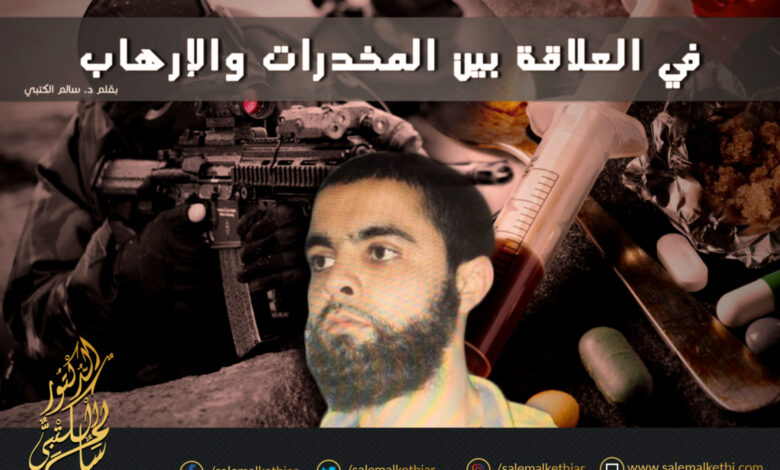
Drug dealers unexpectedly shift to be members of terrorist organizations claiming to defend Islam. How does that occur?
A French terrorist, of Moroccan origins, carried out a terrorist attack in France. 3 people were shot to death. Another 16 were wounded. The man was a drug dealer. He later shifted into religious extremism.
This sudden shift from conventional crime to joining terrorist groups is not new. Reports indicate that criminals, drug dealers have joined Daesh and other terrorist organizations.
Since the second half of the 20th-century, criminals have engaged in extremist organizations. These organizations have long provided funding and an illusionary influence to conventional lawbreakers.
The relationship between drug cartels and terrorist organizations is ubiquitous. Terrorist organizations use drugs revenues to fund their plans. The Taliban annually gains about $ 200 million from planting and selling drugs. International reports confirmed that Boko Haram and Daesh used incomes of drugs to fund their crimes. Not to mention that Daesh had been trading in human beings, monuments and stolen gas. This terrorist organization has a disastrous crime record in Iraq and Syria.
The Daesh organization does not hesitate to recruit criminal elements. It focuses on tempting them with money, women and well being. Daesh has made terrorism into a business that does not care of the ideological framework of its elements. The organization has become an umbrella group including adventurers, killers and criminals seeking money.
Studies have shown that terrorist groups and conventional criminal organizations have many common features. They work to attract losers and those who feel inferiority within their societies. These elements have a desire to revenge and are easily manipulated.
Conventional criminal groups have their own vision of the world. Terrorist organizations categorize people, nations and communities into faithful and sinful. Accordingly, extremist groups design terrorist attacks against the sinful category, believing they have the right to punish them.
International reports point to strong organizational and financial links between drug cartels and terrorist organizations. The recent terrorist crime in France raises a major question: How does a drug dealer turn into a terrorist? What are the transitional phases this shift takes?
Security services are in a dilemma. It is hard for them to track and monitor the intellectual changes of small criminals.
It is important to understand the mechanisms and means of recruitment being mobilized by these organizations. They use social media or get in direct contact with their potential members. Their rhetoric promises drug addicts indulgence and heaven instead of frustration.
Dormant terrorist cells are dangerous. But members who shift from other crime areas may be more dangerous. They are unlikely to be detected as they are excluded from the Counter-terrorism authorities’ suspicion.
The diversity of responsibilities within the security services allows these members to act freely. The databases on drug control are different from those specialized in extremist and terrorist cells. Drug addicts and dealers move slightly into committing terrorist crimes without being detected. The terrorist crime is the first indicator that uncovers their conversion to the terrorist ideology.
Censorship should be on conventional criminals so as to monitor their movements. Criminals’ psychological disturbance makes them an easy prey for terrorist groups
The phenomenon of terrorism has become more complex over time. It is no longer a security and military challenge. It has become a serious social challenge. The recent attacks have exposed the possibility that individuals can become tools for carrying out terrorist crimes and attacking peaceful people.