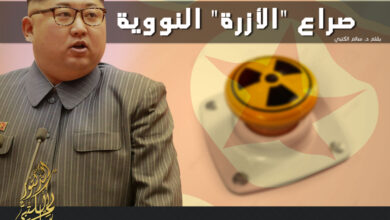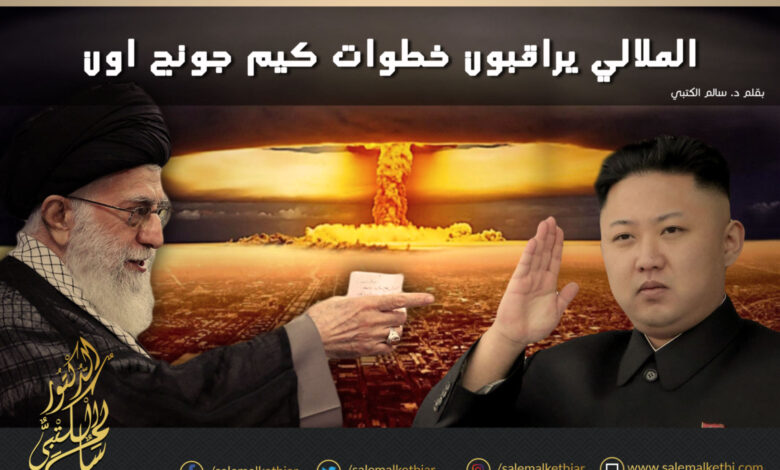
North Korea’s eccentric 33-year-old leader Kim Jong-Un seems to have got the attention of the whole world since he started militarily provoking the US right after Donald Trump became president.
The North Korean crisis was further complicated with the reported test of a hydrogen bomb which is more destructive than its nuclear counterpart. Intelligence agents also believe that Pyongyang detonated an underground nuclear bomb three times as powerful as the Hiroshima 1945.
Even North Korea’s closest ally, China, slammed Kim Jong-Un’s actions as “wrong” and strongly condemned these tests. The international community fears a sudden military conflict between the United States and North Korea. Some experts see that Pyongyang’s military progress limits military options in dealing with the crisis, unless mistakes in military estimates are made by the one party, which would more likely be North Korea. Observers fear it would make the first move in light of the growing nervousness about a surprise attack by the Americans.
The atmosphere in the crisis is charged with misunderstanding and lack of awareness. The reckless leader in Pyongyang tells his people that he is in a state of self-defense against what he calls aggressive American intentions. In retrospect, such a situation of imbalance caused serious global disasters. The scenario of military confrontation, even in response to any new international sanctions, is something to think about. The Kim Jong-un regime militarization- and crisis-based has really no development projects for the country except building military capabilities to protect the backward Juche ideology.
Whether this cold conflict turns hot or hopefully not, it poses a dilemma not just for the United States but the overall international community. Breaking the rules of security and stability that the world has settled on and disrupting the global order is not exclusive to North Korea. Another regime aspires after the model, this time in Tehran.
The Iranian regime’s ideology differs from Kim Jong-un’s, but the two share the same demagogic tendencies. They chant populist political slogans to maintain the illusion of defying “American hegemony”.
They are the kind of shaky regimes that have no projects for national development in mind or care about their people whose resources the regime uses to fuel its propaganda machine. The main message they promote is protecting “national dignity” embodied in the person of the leader of the DPRK and the mullahs of the IRI. Despite its global decline, the model whose proponents claim to be “anti-US hegemony” still represents a threat to global security and stability.
While Kim Jong-un is setting a model for reckless others to follow, the global silence on his provocations can tempt other regimes like Iran to follow suits. They would commit more violations of rules governing their nuclear and missile programs to claim a victory against the American will. Afterwards, a rogue international bloc might emerge and that even could lead to a World War III.
North Korea made far more progress than Iran did in the field of nuclear and missile weapons yet the problem relates to the model more than technical progress. Having experience in deception and maneuvers makes it very difficult to determine nuclear capabilities of regimes like these two. They deliberately conceal their capabilities to strengthen their potential of deterring any attacks and of protecting themselves from preventive military strikes.
Historically, rogue States inspired each other. Indeed, the North Koreans cooperate closely with the Iranians who might thing copycatting the defiant leader one day.