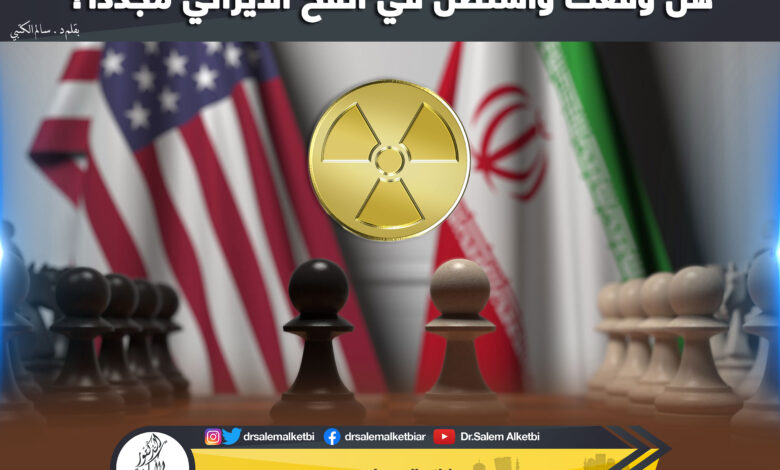
The nuclear agreement known as the JCPOA, signed by the G5+1 with Iran in 2015, came about, as we know, after nearly a decade of intermittent negotiations that kicked off in 2006. Negotiations to restart the agreement, which has been on the skids since former President Donald Trump withdrew in 2018, appear to revive through the same experiences and circumstances as the original deal.
The main reason for the protracted negotiations in both cases has been the ability of the Iranian side to engage in marathon rounds of talks, or what some observers call the Iranian rug maker strategy, being relentlessly patient over long periods of time.
The US and its Western partners do not seem to have learned the lesson of 2015 very well, even though many on the US negotiating team had participated in earlier negotiations. They have deep experience and knowledge of the approach and psychology of Iranian negotiators.
Now, the fact is that after about 10 rounds of negotiations in the Austrian capital of Vienna, no final agreement has been clinched. The world public was surprised by the new round in Doha, because they had expected that there would be an understanding on controversial issues that are often talked about in the media.
However, the Doha round met the same fate as its predecessors, even though Tehran described it as positive. This reflects the Iranian view on the negotiations, in the sense that their very convening is a goal and an achievement in its own right. At the end of the 2015 talks, Iran managed to put former President Barack Obama on the spot at a critical moment.
He had no choice but to accept any formula, regardless of the catastrophic strategic cost not only to his country’s interests but also to his Gulf and Middle East allies, such as Israel. Iran appears to be working to drag current President Joe Biden into the same scenario. Time is running out.
Months and years of negotiations mean that Biden’s feet are deeper and deeper in the quicksand of the Iranian nuclear issue, and the more time runs out, the more likely Iran is to get serious concessions from the White House. It is important to point out that imposing hamstringing conditions is one of the planks of Iran’s strategy to buy time.
The demand to remove the IRGC from the US terrorist list comes to mind here. This is a demand that Tehran already knows will be difficult to meet. It is well aware of the difficulties involved in fulfilling this demand, which would amount to more of a political suicide on the part of the President.
So this proposal is only aimed at maxing out the pressure in the negotiations and buying time to pave the way for other strategic gains to be put on the negotiating table as compensation for not meeting the demand involving the stratocratic IRGC.
Helping Tehran in the current international context is European countries’ need for Iranian oil and gas to lower energy prices and implement plans to wean off Russian gas. This explains the repeated visits and great efforts of Enrique Mora, the European coordinator of nuclear talks with Iran, to resolve the negotiation situation and find a way out of the current impasse.
Tehran is currently trying in various ways to secure its real demand: a written commitment from the US not to withdraw later from any nuclear agreement reached. This is very difficult to verify given the mechanics of the US political system. President Biden’s upcoming visit to the Middle East, which will include Saudi Arabia and Israel, may help rein in Iran’s negotiating maneuvers.
It is clear that Tehran is carefully awaiting the results of this visit. The visit is expected to reveal something about Washington’s intentions for the Middle East in the period ahead.
Emphasizing the central role of the US in the region and redrawing the regional maps with a US ally could be an element of pressure on Iran as it seeks to capitalize on the fruits of its regional strategic expansion and turn its military influence in several countries in the region into internationally recognized strategic gains.
If Iran delays renegotiating the nuclear agreement, the absence of a military option among the strategic alternatives being discussed by US decision makers is a major obstacle that will disappear only if Tehran senses that the Biden administration is growing impatient and will withdraw from the negotiations.