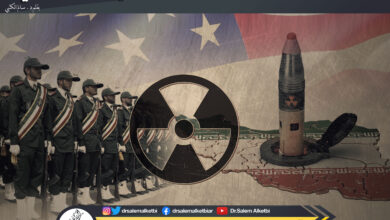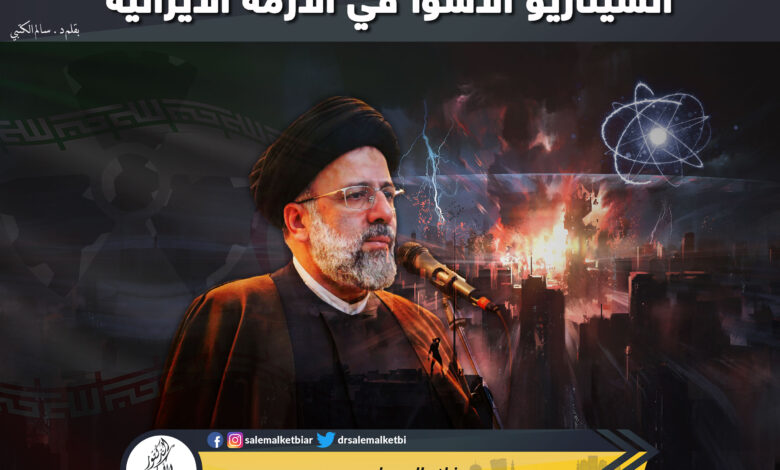
Expectations and conflicting statements abound as to the fate of the nuclear negotiations begun some time ago in Geneva between Iran and representatives of the 5+1 group to revive the nuclear deal. Against this backdrop, the New York Times, citing a report by the Institute for Science and International Security, an independent group that specializes in analyzing findings such as those of the IAEA, said that Iran’s enrichment of uranium to 60 percent in recent months has made Tehran capable of producing the fuel for a bomb in one month.
Iran could produce the fuel for a second weapon in less than three months, and the fuel for a third in less than five months, the report further states. The contents of the latest report are not surprising to observers, but are entirely consistent with official warnings from Israeli and US officials.
Israeli Foreign Minister Yair Lapid recently warned that Iran is “on the verge” of acquiring a nuclear arsenal. He was preceded by Anthony Blinken, who said in February that Iran could be weeks away from acquiring nuclear weapons materials if it continues to violate the nuclear deal.
I think these warnings are timely for the Iranian mullah regime. The latter is seeking to increase political pressure on the US to make major concessions in the event of an agreement on the seventh round of negotiations in Geneva.
It is clear that Ibrahim Raisi and his new team of negotiators do not want to go to the talks until they get assurances about what they will get out of them. The conduct of the Iranian mullahs’ regime over the previous years and decades has consistently suggested that what the IAEA says or discloses about uranium enrichment is not trustworthy.
Certainly, the hardliners currently in control of Iran are striving for nuclear weapons capabilities in the belief that the presence of this deterrent represents Iran’s best bargaining chip, while a return to the terms of the nuclear deal at this point is a serious strategic loss for them.
Especially since Iran’s missile and drone weapons capabilities have made significant progress and pose a real qualitative threat regionally and internationally. The real problem is that the Biden administration is well aware of the sensitivity of the difficult phase that Iran’s nuclear program is in.
But it lacks effective policy options and alternatives to deal with this impasse. As a result, she cannot curb Iran’s rush to accumulate enriched uranium and approach the ceiling needed to build the bomb.
Nor can it make the major concessions demanded by the Iranian mullahs, especially at a time when the Biden administration is facing violent accusations at home and abroad over the chaos of the Afghanistan withdrawal. The worst thing for the US is its inability to wield the stick against the mullahs at this time.
It is difficult for the White House to order a military strike on Iran. The end of the military intervention in Afghanistan is still fresh. Moreover, President Biden says the era of major military interventions is over.
Washington’s options remain limited to increased sanctions and cyber operations against Iran’s nuclear program facilities, the latter of which could not prove very effective in aborting the program or even disrupting it for a few months.
Given the limited nature of US strategic options and the lack of ability to curb Iran’s challenge to US influence, it seems difficult to construct clear expectations about the next US action. The US faces not only an Iranian challenge, but also significant pressure from Israel to give the US the green light to deal with Iran’s nuclear threats.
This is the most dangerous scenario that the Biden administration fears could open the door wide to a full-scale regional war, forcing the US to intervene militarily to protect Israel, Washington’s main strategic partner in the Middle East.
Overall, the worst-case scenario is that the mullahs succeed in buying time and acquiring secure nuclear capabilities that present everyone with a fait accompli that turns the table on regional strategic balances and opens the door to catastrophic prospects for global security and stability.