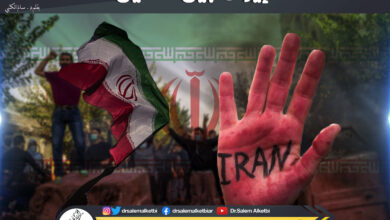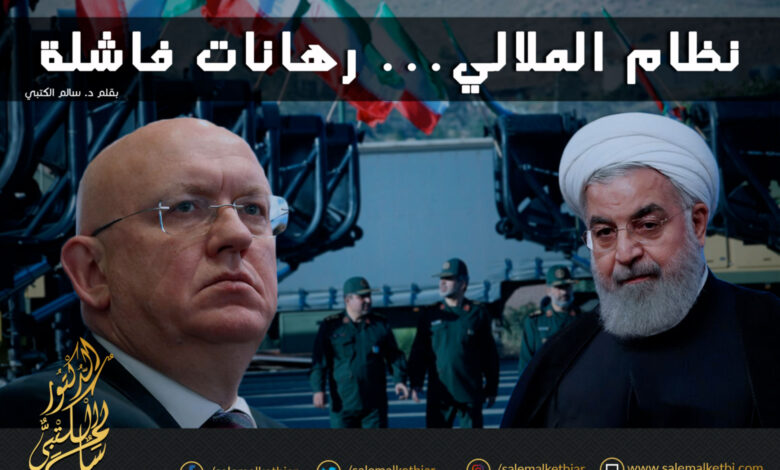
Russia’s permanent representative to the United Nations, Vasily Nipinzia, has recently announced an agreement on the withdrawal of Iranian forces from areas of south-west Syria near the borders with Israel. He expected the implementation of this agreement will take place within the next few days. An important question arises about the implications of this agreement and what it means for the Iranian presence in Syria.
The presence of the IRGCC in southern Syria has been Israeli intelligence’s major concern over the past few weeks. Undoubtedly, the subject has topped talks between Israeli officials and leaders of the countries concerned with the Syrian crisis. Netanyahu may have discussed this topic with Putin during his recent visit to Russia.
The announcement of an agreement with Iran and Israel regarding the withdrawal of Iranian forces from south-west Syria came after Russia had taken over the presidency of the UN Security Council in June. Israeli media reports confirmed that the Netanyahu government agreed to deploy Syrian forces at the southern border of the country once the Iranian militias were withdrawn. It was reported that Israeli Defense Minister, Avigdor Lieberman, visited Russia on Thursday and met with his Russian counterpart to discuss this issue. Israeli ambassador to Moscow, Gary Koren, told TASS news agency that Israel was satisfied with Russia’s position on the Iranian military presence on the Israeli-Syrian border. This implies that Israel achieved what it sought during its talks with the Russian side, the most influential player in Syria. The Kremlin might have understood Israel’s point of view and sought to reassure it by pressuring Iran to withdraw its militias from southern Syria. Moscow told Assad regime to send its troops to replace the Iranian militias.
Russia did not act under any Israeli pressure or dictates. The Kremlin complied with the 2017 ceasefire deal between Russia, the US and Jordan. The agreement was signed to ensure the withdrawal of all foreign troops from the zone of reduction of tension, including southern Syria. Respecting the deal, Russia did what it had to do to end the Iranian excesses in Syria.
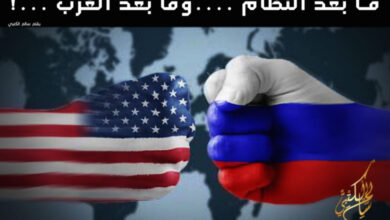
Moscow is aware that its interests in Syria need to send some messages of its good intentions to some parties, including Israel. It is illogical for Russia to support Iran’s ambitions in Syria at the expense of its strategic interests. Not to mention, Moscow won’t risk its relations with Israel. The remaining opportunities for dialogue between the US and Russia could be undermined as tensions between the two countries heightened.
Having concluded this agreement, Russia cannot be said to have sacrificed Iran’s interests in Syria. What is happening on the ground in southern Syria is an Iranian transgression of what is permissible. Moscow made it clear that Tehran’s role should not be excessive, reassuring Israel.
The mullahs will not reject any Russian requests regarding their presence in Syria. There is an international consensus that peace can be restored only if Iran withdraws its militias from Syria.
The Kremlin aims to ensure continued partnership in managing the Syrian file. Evidence confirms that Russia is using Iran as a card to extract concessions and pressure the US. Moscow could sacrifice Tehran completely if there was an agreement on sharing interests in Syria during the upcoming Putin-Trump summit.
Russia still needs the continued presence of the Iranian militias in Syria in support of the Assad regime’s control over the freed areas. But this presence is not sustainable in the medium term. The mullahs’ regime is highly concerned about this fact. Iran could resort to standing idly by and forgetting about its demands for redeployment and concentration in Syria. Tehran may turn a blind eye to the announced agreements that appear to be at the expense of Iran’s role in Syria.
Certainly, the mullahs are angry at the Russian position. Iran can do nothing against the backdrop of the current circumstances but show satisfaction with Russia’s demands. Tehran is not ready to lose Moscow’s support in the face of US’ pressure.