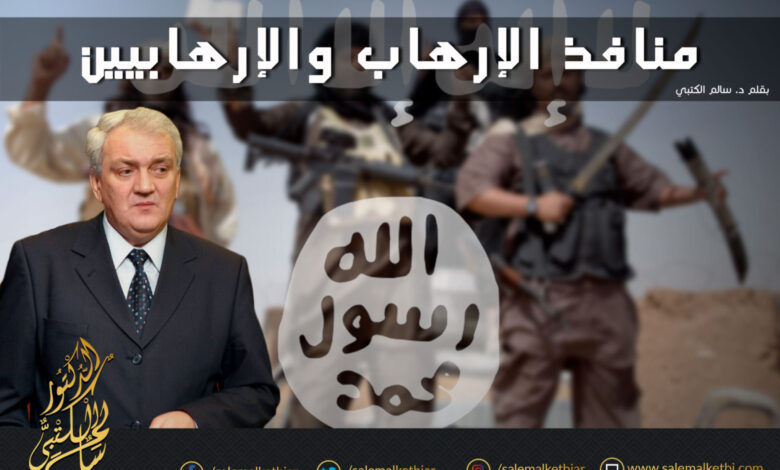
The future of terrorism is crucial to understand how this phenomenon functions. Al-Qaeda, Daesh and other terrorist organizations carry out various tasks, ranging from mobilizing militants to engaging organized terrorist action.
In Syria, there were agreements to allow terrorist organizations to move to other areas under the protection of armies that belong to certain States. This is not new to the Syrian arena where alliances have been made between regular armies and terrorist organizations. Daesh has been defeated and lost its grip on cities it had long controlled. But the fate of the organization’s elements remains a puzzling matter. Did they vanish overnight? Where have thousands of terrorists gone?
Amid regional and international rapid developments, Sergey Smirnov, the Russian Federal Security Service first deputy director, said that some 8,000 terrorist militants had moved from Syria to Afghanistan, threatening the security of the SCO’s countries. At the 32nd meeting of the Shanghai Cooperation Organization, recently held in Tashkent, Uzbekistan, General Smirnov said that security and intelligence agencies of the SCO have been monitoring the movement of terrorists to Afghanistan, specifically to its northern regions, across the Iranian and Turkish borders after their defeat in Syria.
In the last year, more than 900 SCO citizens who have left their homeland to join international terrorist organizations, including Daesh, Al-Nusra Front, the Syrian Islamic Liberation Front and the Turkistan Islamic Party, were listed as terrorists, added Smirnov.
This statement revealed the mechanisms by which terrorism moves across countries. Terrorist groups get support from certain regimes. In recent decades, the mullahs’ regime has exploited terrorism to achieve Iran’s strategic goals.
Tehran used al-Qaeda, then Daesh, as a pretext to spread its influence in Iraq and Syria. Iran has been obviously providing elements of these terrorist organizations with help. The game of interests and the sharing of influence paved the way for Iran’s plans.
General Smirnov said that among the militants that moved to Afghanistan are many citizens of the former Soviet Union’s countries, including Uzbekistan, Tajikistan and Turkmenistan. This means that terrorist elements from these countries have moved to other countries such as Libya, Yemen and perhaps other Arab countries.
This statement opens the door to answer many questions about the fate of terrorist elements in Syria. The movement of these elements across countries was made easy. There were agreements and understandings that allowed terrorist militants to leave cities and areas they control. Some countries give them facilities to move freely across borders to other countries. Others finance these movements, not to mention the transfer and the purchase of alternative weapons terrorists will be using in the new battlefields.
These terrorist organizations wouldn’t have lasted if they were not supported by some States and regimes. States and regimes provided the latest weapons to terrorists in Yemen and Libya.
Terrorism has become influential in the struggle for power and the sharing of interests in international relations. Terrorists work for the interests of many parties and do cover expansionist interventions led by some countries. Other countries use terrorism to provoke their enemies and spread chaos and unrest in the world. Terrorism has turned into a huge business sponsored by several countries in the Middle East.
Intertwined interests and the reluctant positions on terrorism make it hard to eradicate this phenomenon. This awkward situation is the real dilemma facing counter-terrorism efforts.