US likely to exit Iran nuclear deal and what to expect in Iranian economy and politics

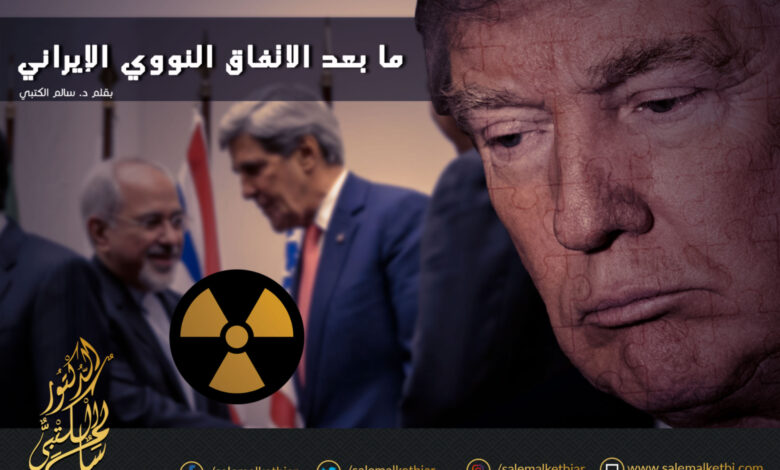
Trump has begun the countdown to announce the US withdrawal from the Joint Comprehensive Plan of Action, commonly known as the nuclear deal signed between Iran and the Group 5+1 in mid-July 2015. Against the background of the intensified tensions between the two countries, observers think that the post-agreement phase will witness a potential military confrontation between the US and Iran.
President Trump has prepared for Iran nuclear deal pullout. The Trump administration called Iran nuclear deal the worst deal ever in the US history. To get rid of the opponents of this view, Trump has made many changes to his administration. On March 13, Secretary of State Rex Tillerson was dismissed and replaced with CIA chief Mike Pompeo. Trump also fired his national security adviser Herbert McMaster and appointed former U.S. ambassador to the UN John Bolton.
The pullout from the nuclear deal could be to exert the utmost pressure on Tehran to have it accept amending the terms of the deal, a change that will meet Trump and his EU partners’ interests.
Trump’s move is not intended for cancelling the agreement but to have Iran comply strictly with the deal. A supplementary agreement will be negotiated over Iran’s ongoing efforts to develop and test the long-range ballistic missile program. This step will ensure the IAEA inspection of Iranian nuclear facilities and address the shortcomings of the time-frame.
The former Obama administration had been promoting the deal as ideal. This is not true. The goal was to achieve a claimed political victory at the expense of any strategic cost. The negotiating team did not take into account indispensable files such as the Iranian missile program. The terms of the agreement did not include Tehran’s commitments to allow the IAEA to inspect Iran’s nuclear facilities. It was limited to Iranian commitments that were not supposed to be accepted by the US.
Backed by France, Trump’s stance is aimed at linking the nuclear and missile issues. Other signatory parties have different stances but their views have nothing to do with Trump’s approach.
The agreement has provided Tehran with the opportunity to take expansionist decisions threatening regional security and stability.
The eight-year period stipulated in the agreement is inadequate to ensure regional security and stability and curb Iran’s regional ambitions. All the agreement does is delaying Tehran’s ambitions to possess a military nuclear arsenal. The deal does not abolish Iran’s dreams. The Obama administration had bet on a change in the mullah’s regime. This was a fictional dream that did not encompass the dynamics and policy of the Iranian theocractic regime. The mullahs’ regime has an ideological project that the Obama administration was not aware of.
Tehran is not likely to accept Trump’s approach to the agreement. Negotiations on the deal took several years. The mullahs are getting ready to embark on a new round of negotiations on amending the agreement after a long period of tensions between the two sides.
Attempts to negotiate the inclusion of the missiles program were met with Iranian rejection at that time. The mullahs and the IRGC considered this program as a red line. This rejection would not be repeated as the mullahs are concerned about the fate of their regime. Certainly, they will have a different stance.
The fate of the nuclear deal may end in one of two scenarios. The US would withdraw from the agreement and the other signatory parties would stay. But this scenario means that the deal will practically expire as it will be worthless without the US.
The European partners could reach a formula with the mullahs to renegotiate the terms of the agreement. This scenario is unlikely to take place given the current political situation.
Tehran realizes that it is very difficult to negotiate with the current US hawks. The mullahs are aware that Trump, Pompeo, and Bolton have animosity towards Iran. Tehran changed its political speech with the hope that Iranian threats will have the US administration out of the withdrawal from the agreement. The Iranian Foreign Minister, Zarif, said that if the US withdraws from the agreement it would be unsustainable. Trump’s stance “amounts to desperate attempts to undermine a solid multilateral agreement,” Zarif wrote on Twitter. He said that Iran has other cards to play, stressing that they were undesirable options. The Iranian hint here might mean referring to the reactivation of Iran’s nuclear program.
The US’ withdrawal from the nuclear agreement is disastrous for the Iranian economy. The economic crisis will intensify as popular protests against the mullah’s regime will start again. Tehran is likely to opt for more extremism. Iran has long questioned the viability of negotiation with the West. It had long rejected to sign the nuclear agreement. The IRGC is likely to take the initiative during the post-agreement. The world should expect the worst from Iran in dealing with crises in the region.
Arab and Gulf countries must be ready to deal with a more reckless Iranian regime. The mullahs’ regime seeks to spread chaos and carry out regional plots. Arab leaders must support Trump’s stance to curb Iran’s expansionist plans.