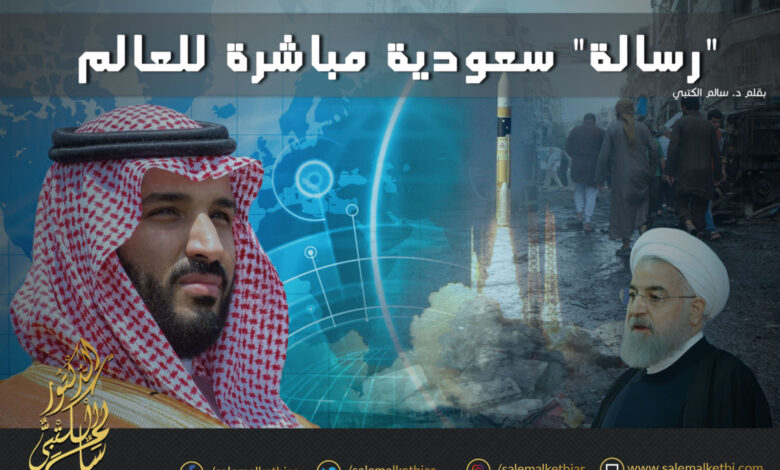
Security developments in the Middle East require “shocking” and clear strategic visions that contribute to taking serious regional and international decisions.
The NATO cannot take a firm stance towards the Iranian threat to regional peace and security. The alliance finds it hard to set plans to deal with Tehran.
The US Secretary of State, Rex Tillerson, was dismissed for showing his support for the UE’s stance on dealing with the Iranian nuclear file.
Tehran bets on this contrast of positions to escape paying the bills of its policies in the region. The mullahs still carry on their expansionist plans in Syria and intend to take a part of the Syrian cake of oil and gas. Gen. Mohsen Rezaee, Secretary of the Expediency Discernment Council, affirmed that Iran will recover the costs it paid for al-Assad regime’s sake. In response to opponents of the mullah’s regime, Rezaee said Iran has spent $22 billion on the Syrian war. Iranian protesters have criticized the government for wasting the country’s financial resources on military ambitions in Syria. Iran’s enemies focus on the Islamic Republic’s military expenditures in Syria, he added.
According to Razaee, $ 22 billion is nothing compared to the mullahs’ gains. So he said the war was about faith but not money, adding that Iran spent that amount to defend itself. The man stressed that his country will recover what it spent in Syria saying that for each dollar Iran spent it will get two.
It is high time to firmly deal with developments in the region. There is no room for slowing down or being only reactive. The Arab and Gulf countries have lost a lot because of that approach in dealing with developments. The strategy of “shock” is the best way out of this regional security dilemma. Obviously, the Yemeni case is an example. There, the Saudi-led Arab coalition has made major success to solve the conflict.
The shocking revelation approach of the Saudi Crown Prince MBS is a strategic must to confront the Iranian plots in the region and disclose why there is no clear Arab strategy for that purpose.
On the sidelines of his current tour, with stops in Egypt, the UK and the US, the Saudi Crown Prince said in an interview with 60 Minutes, the CBS News program, that his country would acquire a nuclear bomb “as soon as possible” if Iran developed nuclear weapons.
The Media focused on these statements. The Saudi message is clear. SA does not threaten the world with possessing a nuclear weapon but alerts the international community to the danger of keeping silence on Iran’s efforts to develop its nuclear program. The Crown Prince’s message was not aimed at threatening the world. His Highness expressed what could be called a conditional political will but a firm one: if Iran is to develop a nuclear weapon then SA will surely get one.
His Highness position is wise. Tehran is a threat to national security calculations of the GCC countries. Unlike Indian and Pakistan, Iran should not possess nuclear weapons. Iran is a revolutionary theocratic State that has been promoting its sectarian ideology since 1979. The mullahs’ regime has never been stable and never respected the international conventions it signed in the UN. Tehran has long waged proxy wars in the region and funded militias with ballistic missiles to undermine the stability of Arab States.
Saudi Arabia’s powerful crown prince compared the supreme leader of Iran to Adolf Hitler of the Middle East. “He wants to create his own project in the Middle East very much like Hitler, who wanted to expand at the time,” Prince Mohammed said. “Many countries around the world and in Europe did not realize how dangerous Hitler was until what happened, happened. I don’t want to see the same events happening in the Middle East,” he added.
His Highness’ message warns the world of the Iranian danger in the Middle East. The Crown Prince’s approach is aimed at peace and seeks provocative measures to restrain Tehran’s expansionist plans and prevent the region from plunging into more wars and conflicts.
The international community must take MBS’ sharp language seriously to deal with the Iranian threat in the Middle East.