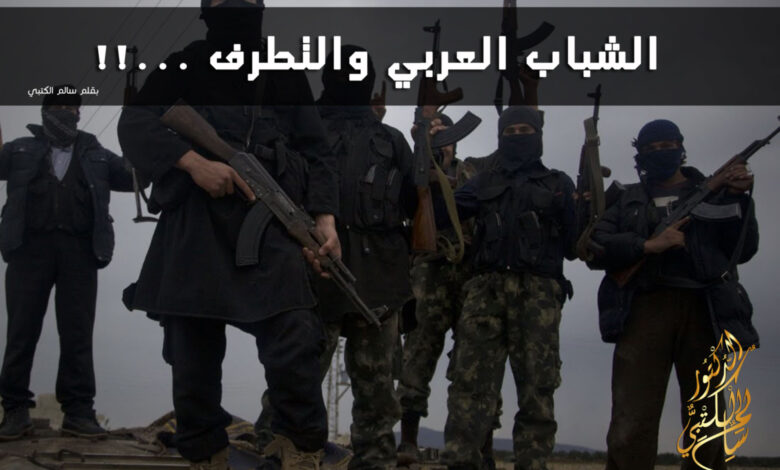
A recently published opinion poll of about 7 thousand young Arabs from 10 Arab States, between the ages of 15 and 33, showed that a large segment of young people is unaware of the concept of citizenship and its rights.
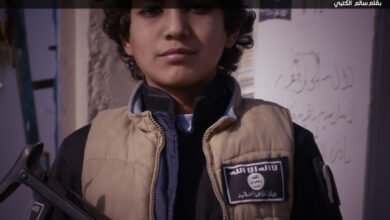
The poll results showed that the majority of young people get information on religious matters from television shows and that few of them are sympathizers with fundamentalism. Although the results have included several positive indicators, such us the youths’ break with extremist ideology of organizations like Daesh and Al-Qaeda, we must not be deceived. 1 to 6% of respondents are sympathizers who think that the attitudes of terrorist organizations are right, which is a very high figure. If we assume that the population of the 10 States of respondents (Oman, Qatar, Lebanon, Tunisia, Algeria, Sudan, Iraq, Libya, Mauritania and Yemen) is nearly 200 million people, there are between 2 to 12 million individual candidates to embrace radical ideology, or are already engaged in activities related to terror groups on ideological or organizational levels.
Daesh and Al-Qaeda with tens of thousands of terrorist elements who joined their ranks have caused a global security crisis. The statistics must raise our concern, because the respondents might constitute a receptive community for extremism in various parts of the Arab world.
We must not bury our heads in the sand. We have to understand this reality and act judiciously and wisely. This is a matter of concern that requires an effective approach to eradicate fundamentalism and convince the sympathizers it has nothing to do with the essence of Islam.
I have several observations about the spread of extremism. First, these polls are just to raise awareness and should not be considered as parameters of the spread of extremism and terrorism accurate enough to design serious plans to deal with this challenge, simply due to characteristics of the Arab region, people’s attitudes towards the questions, especially when they deal with strangers, and the related security environment prevailing in each State. The second thing is that youth’s sympathy with extremism and terrorism may seem easier in the first stages, characterized by spontaneity and the absence of ideological or organizational activism. But the sympathizer might accept or reject radicalization under certain social circumstances. Engaging in activism is difficult to detect through opinion polls, whatever the degree of professionalism and the ability of producers to elicit responses and opinions. Based on deceit and prevarication, extremism can only be unveiled through following extremist elements through the people living with or close to them. The issue of extremism has a direct correlation with the level of education and culture. The higher the level of education, the more difficult it is to unravel the cancelled sympathy with terrorism. The reliability of the polls in the Arabic region is limited, given the circumstances of communities and laws, and given the careful engagement of individuals with such polls.
Some indicators must be taken seriously, such as the respect young people have to the Imam of the mosque in the neighbourhood, which is a point that shows the importance of personal communication that has not lost influence in the era of social media. Stakeholders are responsible for the training of imams and their continuous education through courses and lectures in order to enhance their ability to keep pace with the variables of age. The success of extremist organizations in some Arabic States is mainly due to its performance on the ground for years and decades ago, as well as to its investment in social action given the decline of the State’s ability to well operate social and health services. Terrorist organizations were able to have young people support and report to young cadres. These groups took into account the idea of age differences and speculated on the lack of communication between young people and elder imams of mosques with their traditional discourse, which is often characterized by stereotypes, traditionalism, lack of charisma, and their ignorance of contemporary issues and the concerns of young people.
Some televised religious programs must be subject to censorship. The guests of these programs who speak about religion must be wisely selected, so as to be able to communicate positive ideas and not to slip into behaviours that distort religion and alienate young people before driving them to look for alternatives, like extremism and terrorism.
The religious discourse is not the sole reason for the spread of extremism, but there are other reasons which are just as important and influential. The decline of education in most parts of the Arab world leads to the spread of illiteracy, ignorance, lack of future horizons and low competitiveness in the labour market, which means frustration and desperation that play a crucial role in feeding terrorist groups.