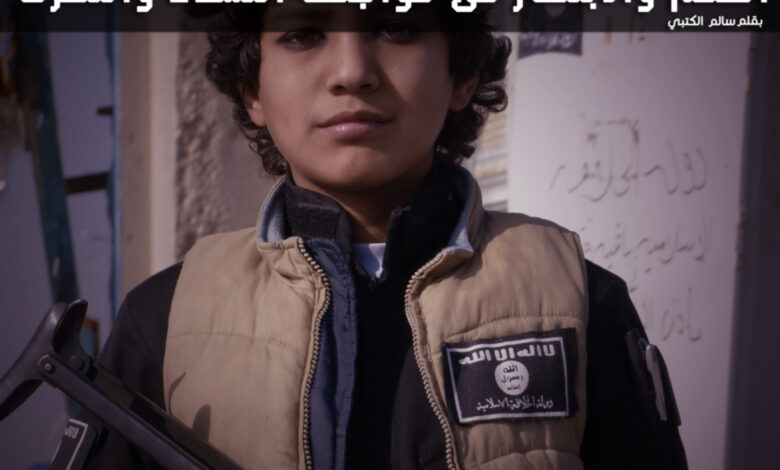
In an article posted some time ago, I pointed out that the Arab and Islamic world needs proactive studies and research in order to examine the terrorist phenomenon and develop indicators that could predict the likeliness to adhere to or sympathize with extremist ideologies among adolescent and youth, in a way similar to tests for drug addiction.
Few days ago, I read about Channel, a British government program to counter terrorism and militancy that hundreds of people from the UK follow hoping for deradicalization. The idea of this program is to activate the role of socialization institutions such as schools and other parties, and have them to commit to collaborate with official bodies through monitoring people exposed to radicalization. The program is for early detection of youth involvement with terrorist organizations. These young people participate in debate sessions about protecting themselves from radicalization in the future. The program of intellectual immunization follows somewhat the model of health and immunization programs against viruses and diseases.
The program came as a response by the government to the growing numbers of Britons joining Daesh over the last years. After extensive discussions about drawing specific strategies to deal with this threat, the idea crystallized. This is what happens in Western countries when it comes to addressing important issues. in most Arab and Muslim countries, by contrast, people get alarmed over danger then forget about it the second another threat emerges. They strategic challenges or threats to the national security of the countries follow one another only to fall eventually into archives of forgetting. At best, the issue may survive to make it into conferences, seminars and lengthy talks that pretend to be scientific study, resulting in no workable recommendations or conclusions.
People in the West and the Arab world differ on the way they sense and foresee danger. Our Arab communities used to cohabit with dangers, maybe due to the multiplicity and complexity of threats or the absence of clear and serious strategies by States in dealing with them. No one listens to those who think about proposing solutions and alternatives, because the debaters end up discussing technicalities that may serve the interests of individuals, not communities.
The British program does not generally require attendance to debate sessions; specialists assess the cases of the patients and decide whether they really have to attend the sessions, undergo behavior monitoring or something else. The issue here is not about security as it is about community-based preventive measures to re-integrate and re-socialize young people. No room for spite and destructive behaviors as the activities are supervised by accountable professionals who make decisions based on precise standards, not personal whims that have brought failure to many other initiatives
It may be also important to note that the program paid attention to British values against which is compared the personality of the person in risk of radicalization. The fundamental British values, defined by the government, include democracy, the rule of law, individual liberty and mutual respect for and tolerance of those with different faiths and beliefs and for those without faith. Respecting this ensemble of civilized values is necessary to promote tolerance, coexistence and equality before the law. The program meets success thanks to this framework of values that overlook value judgements in favor of a series of distinct assessments. The objective of the process is public interest and prevention, not punishment and abuse.
British and Western values are not universal, of course. Unlike in Arab and Islamic countries, opposing homosexuality, for instance, can be perceived as anti-social in the West. Regardless, fundamental principles should shape the cultural values and apply to life within communities in order to prevent harmful ideologies from infiltrating communities, seizing illegitimate power and attacking the security as well as the beliefs of citizens.
Arab and Islamic countries made many—if not most—efforts to find solutions to extremism and militancy; however, the channels through wich radical thought is passed are often overlooked, even on the level of political decision making. In the past, the fear of Islamist movements pushed some politicians to support counter-movements such as communist parties against Islamists (and vice versa), without taking into account the fact that collective consciousness easily forgets transient waves to return to deeply-rooted traditions.
Another thing is that we need to focus on adolescents and young people, because in our societies cultural education is confined to works of drama and arts that misrepresent reality and focus on profit. The cultural vacuum and spiritual emptiness feed radicalism, particularly among adolescents and young people looking for spaces for self-discovery and self-expression where they can realize their full potential and their dreams. The community and the government should act proactively to seek and destroy the germs of militancy, not through traditional security measures but a community-based approach. The media and the official agencies should pay attention to the decadence in arts and cultural values and, consequently, religious thought. One of the reasons random fatwas are so prevalent is the increasing ‘demand’ for ‘hot’ radical fatwas by the spotlight media.