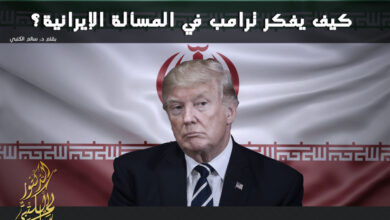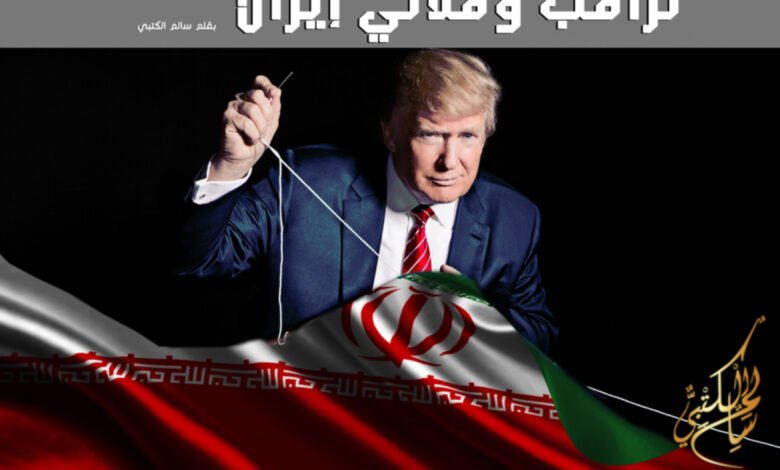
The policy of the new US president Donald Trump towards the GCC countries is still not clear. An important topic regarding his future policy is the need to deal with the financial burdens of the US commitment to the agreements of defense cooperation between the two sides. The most important point, however, in Trump’s policies regarding the Gulf Arab region will be his policy toward Iran.
The US President-elect, replacing Barack Obama, announced his intention to withdraw from the Pacific strategic economic partnership treaty on 20 January next year, his first day of taking office as president. The statement was shown on a short video including the most important decisions the new president intends to take over his first days in office.
The agreement signed in 2015 is crucial for several considerations. It involves Australia, Brunei, Canada, Chile, Japan, Malaysia, Mexico, New Zealand, Peru, Singapore, the United States and Vietnam. These countries represent 40% of the total global economy. The agreement aims to consolidate economic relations between the signatory States in order to support growth. Critics say the terms of the agreement were negotiated secretly, and that it serves the interests of a number of major multinational companies. Regardless of the pros, cons and consequences of withdrawing (or not) from this strategic agreement, there are some remarks on the statement of President-elect Trump. First, he did not mention in his statement the separation wall he wanted built along the southern border between the United States and Mexico or the healthcare system developed by the current President Barack Obama when talking about the most important decisions intended to be taken first. In other words, elections are something and executive policy is something else. From here, it is improbable that Trump would cancel the trans-Pacific partnership agreement as he said, given that the member States are the pillars of 21st century ‘Asia First’ defense strategy. Trump prefers bilateral trade agreements and believes they would generate job opportunities and more industries in the US. Moreover, the new president adopts a principle he calls ‘America first’. It includes trade, economic and health policies and seeks to rule out many aspects of globalization, especially outsourcing, and wants to revitalize industries and provide jobs for the youth in America. As a matter of fact, his policies put him in a clash with the powerful transnational companies, which feed on the ideas of globalization, free trade and market mechanisms. The second remark is that he did not mention the fate of the nuclear deal signed between Iran and P5+1 group and whether he is planning to withdraw from it or not.
The nuclear deal with Iran is the question of the hour in the Gulf region, not only for Iran but also for all regional and international parties. The kind of relation between the new Trump administration and Tehran will shape the future of regional crises and security conditions in this crucial region.
The discreetness of Trump concerning the nuclear deal does not necessarily mean that the new administration intends to maintain it. It is likely that they need time to study their strategic attitude in that regard and the alternatives they have. This may not be possible for the new president before officially assuming presidency.
Some speculate that Trump will withdraw from the nuclear agreement signed with Iran, especially as Republicans, who reject the agreement, control both the Senate and the House of Representatives. Overwhelming support for Trump’s decision is possible to this regards.
The Iranian leaders made comments, trying to seem confident about the fate of this agreement, although they know the withdrawal by the US—or even Iran itself—from the nuclear deal is not unlikely. The consequences of this option is being considered in other capitals signatory of the deal.
The Trump administration will not go at all times on the trail of Obama in dealing with Iran. Donald Trump is not a pro-conta+inment proponent as Obama was in dealing with Iran. but the strategy shift does not necessarily mean the clash between Washington and Tehran, but rather the return of the US tough policy and the return to appeasement attempts and Taqiya policy by Iran, especially if compatibility is met between the new US president and Russia’s Putin to keep President Assad as that would be serve the interests and objectives of Iran.
A new round in the US vs Iran game is starting, yet Trump would not start an open military conflict with Iran. Rather, to appease fears in Israel, he would probably try to ‘domesticate’ Tehran.