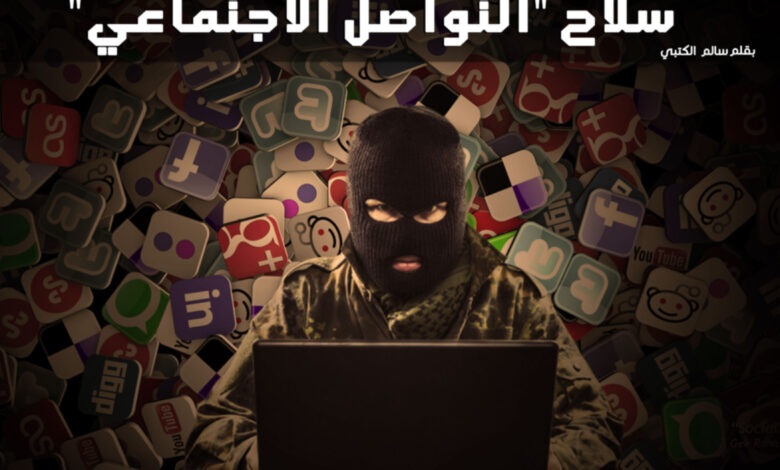
Recently, I have been following numerous events, articles and conferences on political strategy. Most recently, the Mu’tamar al-Qada li-Hurub al-Mustaqbal (Leaders for the Wars of the Future) conference, held by the Ministry of Defense of the United Arab Emirates in Abu Dhabi, drew my attention to the fact that strategists and military leaders are increasingly considering the negative impact of social media. The way social networks are utilized by ‘new actors in the world order’, including terrorist organizations, to undermine security and stability
in several countries and regions around the world, was also among the focus points of the attendants.
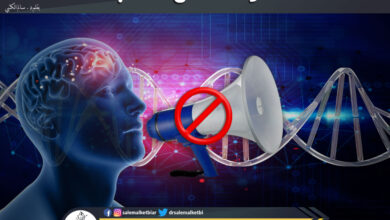
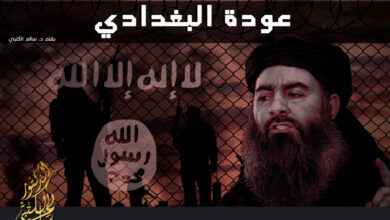
The discussions at such conferences no longer revolve mainly around the developments in military theories and evolution of armament, they now put the new media at the top of their priorities. Experts and specialists seem to agree that communication technologies used in the field of the media, especially the means of social networking, have become the single most important element of influence on events and creation of crises in many countries. Social media granted non-state actors, such as terrorist groups, a tremendous ability to maneuver and influence, and even to accumulate power and compete fiercely for mass influence with States and governments.
In my opinion, what makes the danger of social media worse is the ‘traditional’ way of thinking that many statesmen and officials follow. Despite the vast amount of published literature and discussions on the impact of social media, some officials tend to see this threat as exaggerated, although their conversations and statements convey the opposite. It seems, though, that they are not yet fully convinced that this issues is of considerable ‘magnitude’. They react with indifference, reluctance, sometimes with sarcasm, to media contents of socially negative impact, unaware that reacting sluggishly makes room for rumors, tensions and even crises in the social networking area that could have been resolved by clarifications, statements of facts and exposing dangerous plots.
Many states and governments are talking about the danger of social networking media, but they are in fact dealing with this dangerous medium using ‘primitive’ tools. They rely on ‘eradicative’ and security-based solutions, which are necessary but insufficient. A ‘tumor’ may be eradicated, but its effect should be treated separately. For example, if an organization is working to spread rumors and carry out a psychological war as a means to instigate and incite public opinion in the country against the governing body, it is possible to trace the rumor mongers on the Internet and have them arrested under the law. But the effects of these rumors does not stop with arresting the instigators, terrorist organizations will continue the job from there, since they have the financial ability and human means to do so.
Many are talking about the fourth and fifth generations of wars, but their ways of dealing with the present media are obsolete, sometimes derisory. It is as if they are fighting fourth-generation wars with arrows, swords and catapults. Here lies the strength of terrorist organizations in the media world. They make use of new media technologies to spread propaganda effectively, recruit new members, communicate and share experiences and even build virtual training camps—which can be easily tracked and targeted by drones. Some States and governments, however, still rely on media programs dating back to the era of the mid-twentieth century, when someone speaks through the microphone and talks for hours and hours, unquestioning his ability to influence the public.
Research in media studies rely on identifying the characteristics of the target audience, then choose the appropriate means to convey the message. The audience may not want to listen or watch average shows and programs in the age of YouTube, Facebook and Twitter.
Also, some governments talk too much and do very little, in terms of spreading a culture of moderation and anti-obscurantist extremist thought, make real efforts but ineffectively through the old traditional means and channels.
When we talk about the future, whether in the domain of warfare or strategy in general, the most important of merit is the need to move and act faster and more effectively against the sources of the threat (terrorist organizations and groups). Not doing so would mean that our communities and nations will further suffer in the coming future.