Since the mid-July failed coup in Turkey, the Middle Eastern scene has been witnessing a rapid movement of players. Turkey seems to be the principal actor. There is a rapprochement between Ankara and Moscow and an understandings taking place between Turkey and Iran. What is of concern is not the recent moves but the feared consequences and repercussions on the region as Arab countries have been recently ones to pay the price of gambles between regional and major powers for influence and strategic interests.
Over the last years, Tehran and P5+1 were negotiating the fate of the Iranian nuclear program and signed an agreement that turned out to be hard to implement and congruent on the next political roadmap of the US. The development remains, however, influential and closely related to the strategic interests of Arab states, especially the GCC countries, excluded deliberately from participating in rounds of negotiations, although they have many intersections with the Iranian nuclear issue.
At the same time, the Arab parties seem excluded from moves of interest and influence sharing in a central part of the Arab world, namely Syria.
Turkish Foreign Minister Mevlüt Çavuşoğlu announced last Friday that ‘the security and stability of Iran is the security and stability of Turkey’ and that his country is aware that Iran views the security and stability of Turkey the same way. Regardless of the announcement of sovereign rights between the states, every state has the right to take part in tactical and strategic alliances, but we can realize the implicatures of the said announcement in the light of Turkey’s regional alliances and Iran’s regional clashes and conflicts.
Is it possible for Turkey to maintain relations of a strategic alliance with the Kingdom of Saudi Arabia in parallel with upgrading Iranian-Turkish relations to the status expressed in the statement? It seems this balance is difficult and complex unless the Turks are intending to reconciliate the views and settle disputes between Tehran and Riyadh, which is unlikely in the light of the current situation.
There is no question Turkey has changed since the coup attempt, regardless of the sterile political debate about the circumstances of the attempt and allegations of different parties. President Recep Tayyip Erdoğan became the most action regional player in the Middle Eastern arena, spurred by the coup attempt, turning adversity into opportunity, especially after polls revealed his growing popularity since mid-July.
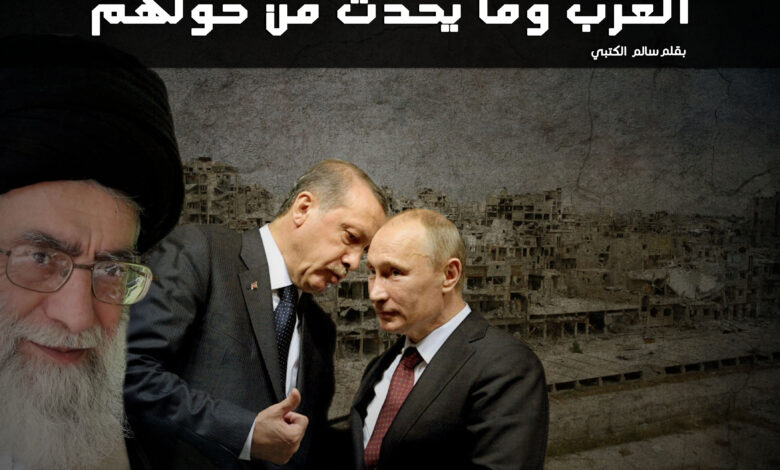
Many suggested Turkey would fall into isolationism and preoccupation with internal problems for a while, but the post-coup Turkish leadership revisited regional and international alliances in accordance with the lessons learned from information following the attempt to overthrow the President. Turkey has made strenuous efforts to take advantage of the aftermaths of the coup in gaining new ground, serving its strategic interest regionally. As the President is making moves towards other countries, Turkey regained momentum from its recent strategic rapprochement with Russia, and then completed a new regional axis in the making as Ankara received Iran’s Foreign Minister for an unprecedented convergence in bilateral relations.
The current scene shows Turkey is forming alliances based on attitudes toward the coup attempt. Turkey is loving, hating, converging and diverging according to the reactions of the regional parties at the night of the failed coup. Ankara did not forget the US was nonplussed for hours at supporting the putschists or defending the constitutional legitimacy, as well as the EU that failed Turkey that night.
Russia stood at the forefront of the assumed Turkish leadership supporters at that decisive nigh. According to reliable media sources, the Russians provided the Turkish leadership with information about the coup and the movements of the plotters. Iran’s position remained blurry until Çavuşoğlu revealed that he and his Iranian counterpart ‘did not sleep that night’ and that Zarif called him that night ‘4 or 5 times’, and several times the following day, to check on the situation in Turkey. To this regard, the Turkey President stated that ‘today , we are determined more than ever, that we should walk side by side with Iran and Russia, to collaborate in solving international issues, and we are determined to intensify efforts to restore peace and stability in the region.’
There will be no considerable disagreement on the settlement of the Syrian crisis between Russia, Turkey and Iran. What looms from the strategic interests of the parties to the new tripartite axis exceeds any competing interests in Syria. Nevertheless, the fate of the Assad regime may be the focus of the new understandings welcomed by Turkey, especially with respect to exporting Iranian gas to Europe via Turkey, as well as the fact that the President wants to build a tactical alliance to act as a substantive equivalent or strategic support for Turkey until it restructures its relations with the EU.
The region is witnessing the birth of new long- or short-term axes and alliances. The point is that the Arab states seem absent from the scene for different reasons, but the repercussions of what is happening seem expensive from a strategical view point, having close links to the present and future interests of the Arab countries. The dilemma needs to be insightfully addressed by influential Arab state actors. Any new regional arrangements will inevitably produce new roles and changes in the regional alignments.
We must not wait until a new regional order is set. We have to use our cards, utilizing our capabilities, efforts and relations. We need to move politically and diplomatically in different directions to positively influence the ongoing strategic calculations of interacting regional players.