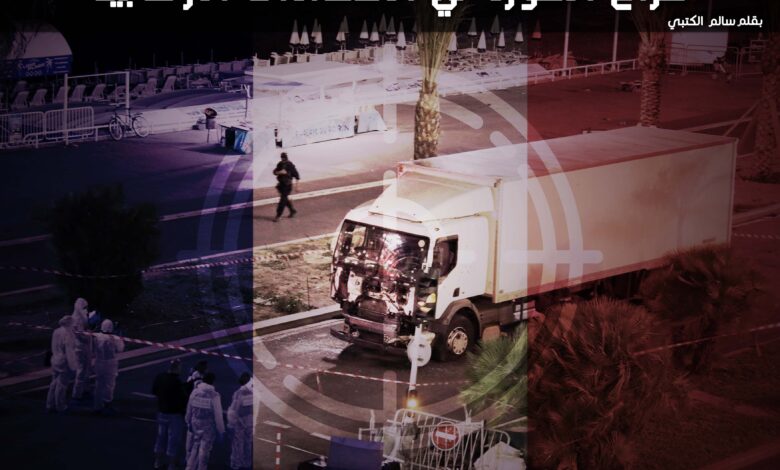
There is controversy in France over the publication of photographs of terrorist attacks. The controversy has raged over the last days between the local authorities in the city of Nice and the anti-terrorism police. The authorities have rejected a request from the police to remove and destroy recorded images of the attack, done using a big truck, killing 84 people and wounding dozens.
The French prosecutor’s office in Paris said they demanded to remove those images out of fear of potential and uncontrollable effects that could result from the publication of the images. The local officials in Nice responded to that request with a legal document suggesting that those images can contain evidence of the attack.
The newspaper Le Figaro said the French police want to remove those images from the Internet to protect the privacy of and out of respect for the victims’ families. The police also said that the removal will prevent the use by the jihadist networks of the material for the purposes of publicity for their activities.
If one closely follows this controversy, as a vital indicator of the complexity of the effects of terrorism, one can realize that both viewpoints are valid. The French authorities seem right to reject the request of the security authorities to remove and destroy the recorded images of the terrorist attack, and have good arguments on the importance of images as charging documents to determine the legal and criminal responsibility in the attack; while the anti-terrorism police are also right, especially regarding free publicity for the terrorist activities.
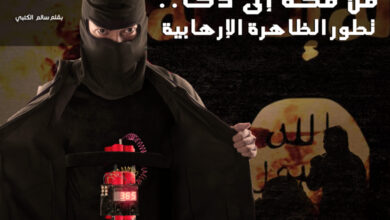
There is no doubt that one of the most important objectives of terrorist organizations lies in spreading terror, panic and fear in the various regions of the world. They are publishing pictures of terrorist attacks on a larger scale by means of official and private media in different countries.
While the government authorities need images of the attacks as a document to win the sympathy and support of public opinion for their anti-terrorist endeavors, some of these moves may impact freedoms legally and procedurally. Therefore, collective awareness of the seriousness of the situation and security threats must be raised, then some restrictions on individual freedoms might be tolerated.
Objectively, such debates are encountered in most countries that suffered over the last years from the threat of terrorism. The controversy reflects more or less the ‘war of images’ as a means of influence since the rise of new media and its various technical applications in the first decade of the 21st century.
The image war is the fierce competition to win the hearts and minds, between governments and their peoples on one side, and terrorist organizations, their followers and sympathizers on the other. States and governments try to show the horror of terrorism, so as not to be accused of violating freedoms and human rights and earn the sympathy and support the public opinion.
Terrorist organizations use images to win more sympathy in order to mobilize new members as well as to brighten their image in the eyes of their supporters to prove themselves, especially in periods where the sense of defeat prevails when security forces hit, destabilizing the whole organization.
The two mentioned viewpoints are equally valid; still, generally speaking, the media is for terrorist organizations like ‘air doses’. They live and thrive under the coverage and the interest of the media, even if they are losing on the ground. They actually exploit extremely dangerous ‘loopholes’ that often exist between the people and the official media. Some communities often question the credibility of the official narrative, while authorities do nothing to bridge this huge gap of trust.
The gap does not exist in most Western countries, such as France. Regardless, the media is generally an essential party in the struggle against extremism and terrorism. It is an important tool with dual effects—a double-edged sword. The media is effective and influential when it is credible and professional, disastrously serving the enemy when experimental, unreliable, sensationalist and unaware of its social context.
The official media may indirectly support terrorist organizations more than their own media does. That gets worse when terrorist media is professional and high-tech while the official media is a failure. In such cases, talking about anti-terrorism would turn out to be absurd waste of time and effort.