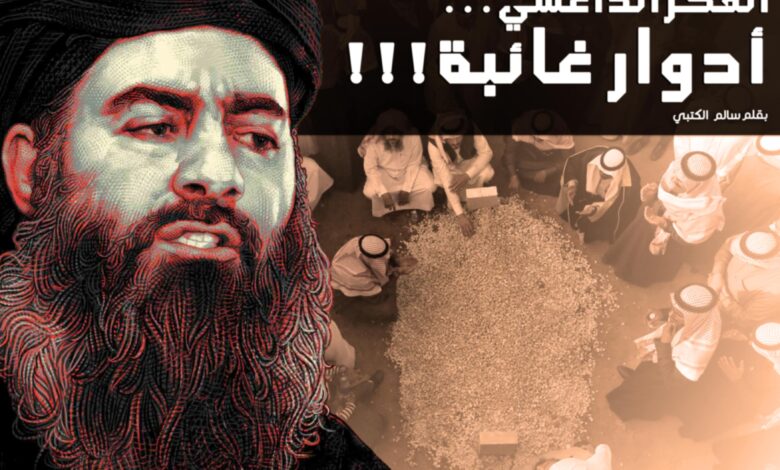
Despite the trauma caused by the stampede indecent involving pilgrims in Mina and the concern of the Muslim public opinion and the social media, another incident received widespread attention in the media and social networking sites. The killing of a Saudi military trainee by his cousins as he went out with them on a fishing trip. The perpetrators did it in response to the call of Abu Bakr al-Baghdadi, and ‘to draw closer to God,’ according to one of them. The perpetrators committed their crime and posted online pictures then committed other series of murders against military men that same day.
In the online video, one of the culprits commented on the murder of his cousin, saying that ‘al-Baghdadi commanded attacking the soldiers of the tyranny, the protectors of the Crusaders, and to fight and terrorize them and we responded to him, so let this be a lesson to you all.” Daesh called on their adherents in Saudi Arabia to kill policemen. The perpetrators killed their cousin to prove their loyalty to al-Baghdadi; they asked the victim to leave his job and swear allegiance to the Emir of Daesh, and when he refused they killed him.
The story spread on Web sites, but I am writing about it because I think it should not go unnoticed, like the extremist and terrorist acts of violence we still have not found proper solutions to and strategies to deal with.
The murder is not unusual. The brothers carried out their crime against their orphan cousin who grew up with them in the same house. One of them is a young man of only eighteen years old or so, and he did not show signs of militancy before. But he was unemployed and his parents feared his computer addiction; his father believed he has been watching pornographic sites and he was concerned about that. The crime is not a single isolated case, but a case worthy of study. It is a striking omen of what could happen in the future. The young murdered lived his life the same way many young people do nowadays, whether in Saudi Arabia or other Arab and Islamic countries.
Online recruitment has become a reality worthy of attention and change. The issue is no longer about forming beliefs and changing attitudes, it is about absolute conviction and readiness to commit crimes and obey the commands coming from Daesh. This means that the organization has succeeded in transforming the Internet into a virtual training camp for slaughter and bloodshed, without having to actually meet with the adherents.
The social milieu that allows the youth to turn into professional killers should be examined. It is serious that these youngsters did commit a crime against their relatives, while other family members failed to read the signs of the gradual changes in their behavior, ideas and convictions.
One of the things that attracted my attention was a statement by the father of the young perpetrator, published in Saudi newspapers. He said that his son did not leave his room, that he suspected he was watching pornographic sites on the Internet, and that he advised him against that out of fear for him. He also said his son was not into traveling and socializing and did not leave his small remote village, but he did not notice any suspicious behavior besides sitting in front of the computer for hours and his unwillingness to get a job.
As the family was not educated, they failed to notice their son’s gradual fall into radicalization. His father did not say much about his son’s refusal to work or get married, and the fact that he used to talk about how he refuses to gather money and spoke about death at such a young age.
The most parents in our communities fear that their children visit pornographic websites at a young age, and that is important. But what is even more dangerous than that is for extremist ideology to get into the minds of young people and to control them, in the absence of family dialogue to monitor any changes in the mentality of the young ones.
Not many people realize, especially in remote geographical areas in the Arab and Islamic countries, the risk of extremist websites, compared to the sites that they fear. Extremism is a prelude to murder. It is not just a word we hear about. It actually turns into behaviors and practices like murdering the closest ones the moment a specific idea gets into, controls and shuts down the mind of a young man, distancing him from the world and those who have more experience than him in life.
Raising awareness of websites for recruiting young and teenage people is a very serious deal. Efforts should be made on the level of institutions in the Arab and Muslim communities, particularly the family, the school and the mosque (still not fulfilling its primary function and influence the young generations for the good). The social media has been used by extremist organizations to recruit young people for years. The virtual training camps and internet command bases are challenging the governments as well as the communities in the Arab and Islamic worlds.
To deal with this major problem, many things can be done. Survey studies can help communities in the early detection of signs of extremism, the same way addiction is diagnosed. Families and parents awareness about the signs must be then raised. Early diagnosis can prevent the youth from thinking about committing terrorist crimes they probably never thought they would commit.