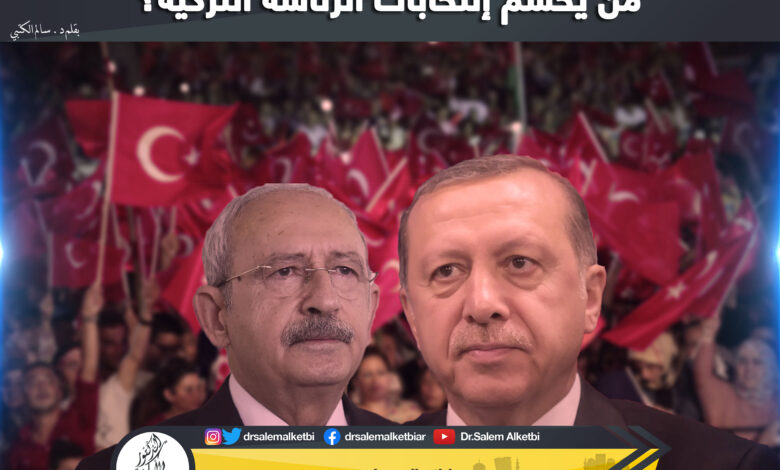
Unlike previous rounds, the next face-off between President Recep Tayyip Erdogan and his rival, Kemal Kilicdaroglu, the candidate backed by all Turkish opposition parties, poses an unprecedented challenge for Erdogan’s political mettle.
Erdogan has managed to weather the aftermath of the recent earthquake by taking ownership, instituting accountability, and tackling the root causes that led to the devastating collapse of many buildings. He’s also taken radical steps in Turkey’s foreign policy to mitigate crises that impact Turkey directly and indirectly, which has resulted in a marked improvement in Turkey’s relationship with the neighboring countries, including the opening of communication channels with Syria. These changes have stifled many of the opposition’s claims and curtailed their sway over the Turkish electorate.
Despite Erdogan’s efforts to contain the damage caused by the earthquakes, the opposition is poised to score a major victory in the upcoming presidential and parliamentary elections. The opposition’s presidential candidate, who runs unopposed, has an edge over Erdogan’s Justice and Development Party, which has been plagued by internal division and defections in recent years. Furthermore, the opposition is banking on young voters who crave free speech and a return to democratic rule in Turkey. The elections will see around five million new voters who’ve joined the electoral rolls in recent years cast their ballots.
Although Erdogan enjoys considerable support among Turkish conservatives, who are his key voting bloc, the upcoming elections remain an open question. Erdogan’s opponent Kilicdaroglu is slightly ahead in the polls, which could give him the edge to win the presidential race or at least force a run-off two weeks after the original election date.
However, the same polls show that the Justice and Development party-led coalition is leading in the parliamentary elections. This means that even if Erdogan loses the presidency, the political landscape may not undergo a complete overhaul since a new president with a different political majority in parliament will emerge. Nonetheless, the potential for change cannot be underestimated, given Erdogan’s constitutional changes that have vested the president with vast powers.
The upcoming elections are bound to be thrilling since Erdogan, who’s won all his previous electoral contests, faces the grim prospect of losing this time. His fate hangs in the balance, depending on the votes of millions of undecided voters and young people who aspire to address the Turkish economy’s challenges and promote freedom of expression, opinion, and other issues that the opposition has harnessed effectively in the electoral race.
In any case, the Turkish elections have attracted keen regional and international interest. Turkey remains a heavyweight, no matter who’s at the helm. For instance, the opposition leader and presidential candidate, Kemal Kilicdaroglu, has pledged that his country will prioritize relations with the West over Russia. However, the reality is that Ankara’s strategic interests do not always align fully with NATO orientations, particularly concerning its confrontation with Russia.
Juggling competing interests will always be par for the course. It goes without saying, both sides of the Ukraine crisis, Russia and the West, are closely following the May 14 Turkish elections.
A change in Turkey’s policies could potentially cause Moscow to worry about a shift towards the West and a departure from Erdogan’s policies, whereas the West is hopes to close the chapter on the current Turkish president, put an end to his political influence, and bring Turkey back into the fold of NATO as it was before.
There are countries in the Middle East that want to end Erdogan’s era, while others wish to continue. Every country looks out for number one. If Erdogan loses the election, significant changes are expected to happen, but it’s difficult to determine their nature due to various interests and factors.
In my opinion, based on the economic, political, and social indicators in Turkey, it’s challenging to completely dismiss the possibility of Erdogan’s victory in the first round of the presidential elections. Additionally, his opponent is unlikely to win from the first round, even with a small lead.
Nevertheless, the margin of victory could play a significant role in determining the final outcome of the election. A narrow win could lead to questioning the results and rigging claims, potentially causing political unrest and tension in Turkey.