Since the establishment of the state on 2 December 1971, the diplomacy of the UAE has been known as a quiet diplomacy. It does not make much media and political noise as it continues to achieve its strategic and development-oriented goals. This calm has not changed amid the wave of interpretations and sometimes attempts to falsify the facts, pushed by the media we all know.
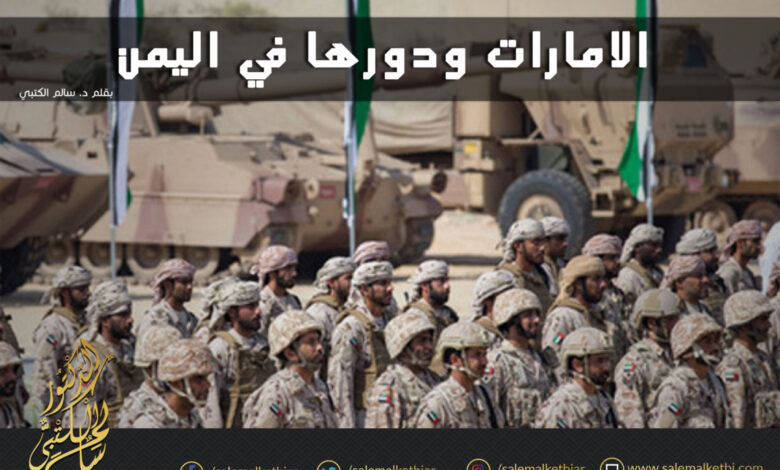
Against the backdrop of the UAE’s decision to reorganise its forces in Yemen, many are rambling on about a UAE’s withdrawal from the Arab coallition. The UAE has made it clear that what is happening is only a tactical redeployment. A UAE official said a few days ago that the UAE was redeploying its troops in Yemen and would change from a military style to one of working for peace.
The language here is clear and there is no room for interpretation. Some, however, went out to indicate that it was a declaration of withdrawal. Others saw the break-up of the alliance between the UAE and Saudi Arabia. Some went on to say that the kingdom was unhappy with the UAE’s decision.
The UAE has already announced a redeployment plan for its troops in Yemen. Such decisions and plans are common in military planning, especially in the light of the Stockholm Convention. The coalition countries are keen to implement the agreement and face up to the efforts of the Houthis to maintain the status quo for as long as possible.
The situation is clear to those who want transparency. However, there are those who want to disrupt relations between Abu Dhabi and Riyadh and who want to cause a division between the two countries in one way or another. So they make up stories.
Big decisions of this kind are not taken overnight. They need to be studied carefully. It is clear that the UAE will not risk what it has achieved for the Yemeni people in Yemen and leave it all to the militias.
I closely followed the situation and the UAE’s position looks pretty clear. The issue has nothing to do with total or partial withdrawal. It is about putting in place what the Saudi Arabia-led Arab coallition has agreed upon. So the UAE’s involvement in Yemen has not really changed.
As a reminder to those behind the media hype, the UAE is the world’s top donor to the Yemeni people in the UN Humanitarian Response Plan for Yemen for 2019. Its aid to the people of Yemen from 2015 to June 2019 amounted to some AED 21 billion (USD 5.60 billion). It will not make an irresponsible step and lose the sacrifices of its martyrs and the billions it has spent.
The role of the UAE in Yemen was not to achieve self-interest. History will remember that its role stems from values and principles, to save the Yemeni state from the clutches of proxy militias, and to support security, stability and the fight against terrorism.
The UAE and the coallition countries have the right to reorganise their troops and the their concentration points in order to achieve the strategic objectives of ensuring the security and stability of Yemen and to support the Yemeni army to regain its role in protecting the country.