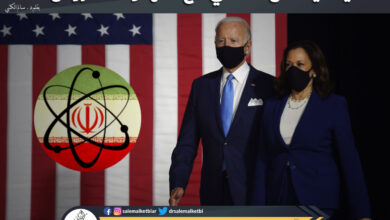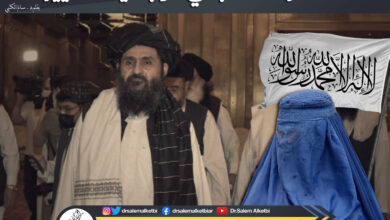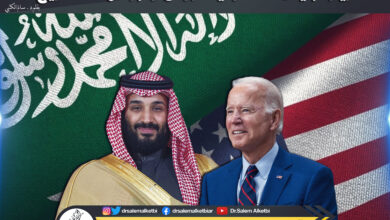
The term new world order has been used to refer to the international relations after the Cold War and the collapse of the so-called Soviet Union. This term has been common since the US president, George W. Bush, used it in a speech in 1990 and considered it the beginning of a time of peace for the world. In real terms, the term stands for the set of international laws, regulations and norms governing international relations since 1990. The new world order has its institutions and mechanisms. The UN, with its specialized agencies, is one of those institutions. Other institutions include the World Bank, the IMF and others. The creation of the new world order was based on an old international order that had arisen since the signing of the Peace of Westphalia in 1648.
There is controversy over the continuity of the new world order and its effectiveness in light of the emergence of new features. The State’s sovereignty has fallen and non-State actors have risen. There is a growing influence of transnational companies. There is controversy about the end of US’ influence and hegemony after being the foundation of the new world order.
The failure of the new world order’s institutions to maintain global security and stability is a clear indicator for the collapse of this order. The resolutions of the UN have become ignored in all international issues and crises. The UN has failed to achieve international justice.
There are many examples of violations of international law – by countries such as Iran, Israel and others, and by major powers. The multiple failures are one of the reasons for the emergence and spread of terrorism. Terrorist organizations feed on the practices of occupation and violation of international law in certain regions such as the occupied Palestinian territories and others.
What will happen after the disintegration of the existing global order? The world is maybe entering a post-order stage with new mechanisms. International relations are maybe witnessing a stage of chaos and instability. If yes, new institutions and agreements will be created to control the balance of power and manage the complex interests among the countries of the world. Will the State remain a fundamental unit in the global order? Will its erosion and decay factors continue to favor new entities and structures that will take the world back to pre-modernism?
All indicators confirm that the biggest loser in the process of sliding the world order towards chaos is the regional States. The Middle East has fallen prey to the conflict over power and interests among the major powers – the scene in Syria may be clearly highlighted.
There are global policies and trends that push into accelerating the collapse of international relations. The isolationist policies have been aggravated in major countries, especially in the US. There is also the rise of the right-wing trend in Europe, the emergence of phenomena such as Islamophobia and anti-refugees. Expansionist regimes aim to bring back ancient colonial ambitions that no longer have a place in the 21st century.
The next phase may witness larger waves of refugees, either because of escalating conflicts, sectarian strife and the spread of terrorism, or because of hunger and environmental factors. These have become the major causes of migration and asylum on earth.
It is also clear that the Middle East will be the scene most affected by the interactions of the new phase in international relations. The new features of power and influence are now being laid on Syria’s soil. The conflict between Russia and the US has escalated. The nature of relations between the US and new major powers, especially China, has not been made clear yet.