The operations and the mental image of terrorist organizations have changed currently in comparison with the 1990’s and early 2000’s. The difference lies in the objectives, mechanisms of action and means of recruitment and mobilization. Therefore, this difference has caused changes in the nature, identity, cultural background and even the milieu of the terrorist ‘element’.
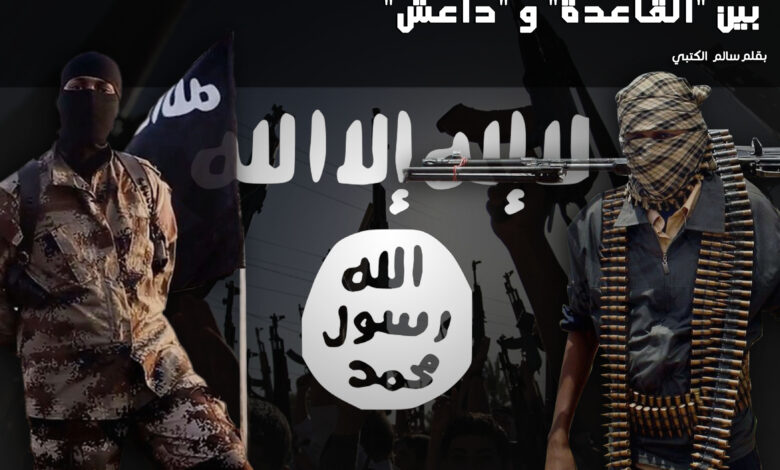
Such differences are present between Al Qaeda and Daesh, the latter being an ideological and organizational evolution—not a replacement—of the former. Due to their ideological hard lines, the generations of terrorists do not replace each other, but go hand in hand and compete in the arena of terrorism, sometimes forming alliances. They move in parallel paths for certain amounts of time, then expire as their ideas become obsolete and prove to fail (this is what happened with terrorist groups in previous historical periods); when new security measures are implemented, leading to a phase of latency followed later by re-activation as new elements enter the scene (the case of some traditional organizations during the 1980’s and 1990’s in Egypt); or when ideas evolve as new generations emerge or stem from the older ones, taking advantage of pre-established tools and techniques to promote the terrorist creed (the case of Daesh).
Disturbingly enough, some specialists, responsible for addressing the terrorist ideology in the media and the academia, do not take into account the new variables of terrorism. They simply use past information to address unidentified audiences, in a manner of a soliloquy. Identifying, characterizing the constituents and the cultural background of the audience is key in the media field in general. Still, when it comes to tackling terrorism, these recommendations are rarely followed.
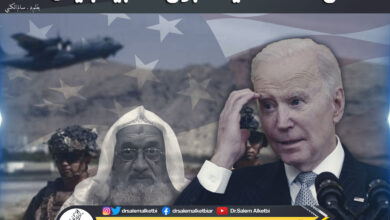
A few years ago, some were criticizing official outreach efforts for using ineffective approaches, like using an elderly man to speak to the generation of the means of Smart Communications, which turns into a waste of effort and resources. Sometimes, the outreach efforts are channeled through ineffective or sometimes dead-ended mediums, failing to reach the target audience, sometimes they even target an audience made of supporters of the same cause, reminding of theatrical plays.
Daesh finds leverage through the media and propaganda. The group differs from previous generations of similar organizations. It embraces the idea of the ‘caliphate’. Moreover, it mobilizes people via the virtual world, using a mixture of modern communication skills and high expertise. It has attracted many highly-educated individuals, some of whom have lived, studied and/or learned languages in the West. Remarkably, the group published online some multilingual materials designed with impressive skill, guaranteed to reach a maximum audience all around the world.
It is strange that the widespread conception of a terrorist is still one of a person dressed in traditional clothing, reminiscent of the stereotyped classic Arab movies about thieves and informers. According to the mainstream dramatic narrative of the media in Arab and Islamic countries, a terrorist wears a short white jilbab, a bushy beard and sour face. Nonetheless, this mediated stereotype serves the goals and the interests of Daesh; the group has rarely made any effort in deploying its members and commit its crimes in the recent months.
As a matter of fact, most of the recent terrorist attacks in several Arab, Islamic and Western countries were carried out by terrorists whose appearances had nothing to do with the traditional representation. Witnesses said they did not know whether the perpetrator was a Muslim due to his many relations with women and his nightlife adventures at bars and night clubs.
One might say that the likes of this individual terrorist practice a sort of ‘disinformation’, or that they apply such tactics to distract the attention from their true motives and intentions. Notwithstanding, terrorism has become an umbrella not restricted to deviants and their sympathizers, in the sense that terrorist organizations are no longer involved or interested in recruiting people who embrace their ideas and are obediently committed to their ideology; they turned it into a kind of business, to exploit the psychological and social conditions of some individuals, tempting them with money to achieve effectively terrorist objectives such as the desire for revenge from society, as in the case of immigrants suffering problems of social integration and assimilation in European countries.
Also of great importance is that spinning in the orbit of repeating certain ideological terms without a real grasp of the conceptual differences and a thorough understanding of the roots of the terrorist idea, makes anti-terrorism efforts go round in circles, without any ability to proactively predict the emergence of terrorism-sympathizers that have been influenced by the Daesh propaganda on their way to join the organization, as well as the potential ‘pre-criminal’ deals arranged by Daesh.
To conclude, we cannot fight ‘Daesh’ with the tools we used against Al Qaeda. As factors change, decision-makers have to update their ideas and perceptions to develop realistic plans for anti-terrorist action.