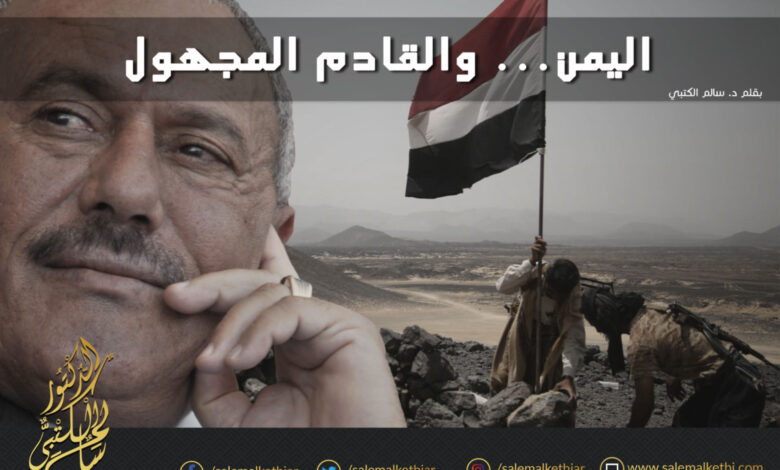
Yemenis are suffering because of Houthis’ crimes. The murder of former President Ali Abdullah Saleh was a great loss to al-Houthi’s party and his loyal supporters. Obviously, given present circumstances, the Yemen crisis can be settled through the mechanism that Saleh initiated.
Although his rethinking of the collaboration with the Houthis came too late, Salah died revealing the brutality and untrustwortiness of the Houthi gang.
Having killed Saleh, the Houthis should really not know what’s best for the Yemeni people, as they claim through the pro-Iranian Arab media. The gang that killed, in cold blood, a peace negotiator who tried to put an end to the bloodshed did not do it to protect national security.
The Houthi political project is part of the grand Iranian agenda. The former president knew it but when he did, it was already too late due to his stubbornness, desire to take revenge or to prove his political weight in the Yemen equation.
The future political scene in Yemen is unclear and is open to many possibilities. The Houthi group will turn bloodthirsty and suicidal as they feel insecure and see no easy exits. No one can trust them anymore with the fate of the Yemeni people.
The Houthis constitute part of the Yemeni people, but they should delegitimize such a leadership that drove Yemen to unprecedented famines, humanitarian and health disasters.
Saleh was wrong when he trusted the Houthis at first. He who switched sides many times also went wrong when he thought he could keep dancing on the heads of snakes for too long. The former president underestimated the fact that the Houthis were Iranian-commanded.
Al-Houthi and his gang will pay a heavy cost for the assassination. The act was not to their interest but to the self-serving wishes of Iran. The Iranians did not think of the internal consequences of the murder more than they did preventing the Arab alliance from ending the conflict. The plan has been to turn Yemen into a quagmire for the coalition and turn the conflict into an attrition war. The coalition is fully aware of this fact and wants to contain the Houthi influence in order to limit the damage.
Strangely, some Houthi figures said that their leader is ready to open a dialogue with Saudi Arabia. Why was Saleh killed then? He also wanted dialogue with the Arab coalition. The call for dialogue at this timing proves that the reason behind the assassination was not to thwart a plot but to consolidate power.
The Saudi-led Arab coalition would not shake hands with a group that committed crimes against the Yemenis and overthrew the legitimate government. The Houthis destroyed Yemen, serving the Iranian project aimed at pressuring GCC countries and turning Yemen into a puppet State.
Al-Houthi will find no new partners in Yemen after he killed his three-year partner. In the eyes of the people, he is the man not to trust.
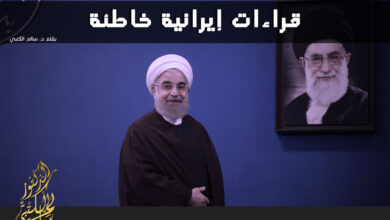
The Iranian president commented on the killing of Saleh. “The Yemenis will make the aggressors regret their actions,” in a show of “solidarity” with the Yemenis. For three years, Tehran has supported the Houthi group with weapons, missiles and explosives to use against the people. What was thought to be humanitarian aid boxes was in fact stacked with bombs and ammunition.