One of the worst consequences of the flaccidity in the traditional and new Arab media from satellite channels to websites, is the prevalence of absurd analyzes and ideas about the threats and existential challenges facing most Arab countries today.
I do not mean here the increasing adherence to conspiracy theories or explaining the regional developments using broad or narrow views based on such theories. What I mean is that those addressing the true threats are underheard in the middle of the psychological noise produced by the sensationalist media, opening the door for more so-proclaimed strategic experts with various motives to invade the media and for religious clerics to issue fatwas that cause widespread confusion to the public opinion.
The most pressing question now revolves around the interpretation of what is happening in the Arab region in recent months and years. What are the consequences of the worsening state of conflict in the region? Some attribute what is happening to the creative chaos that sparked regional unrest, since the idea was mentioned by the former US Secretary of State Condoleezza Rice in 2006.
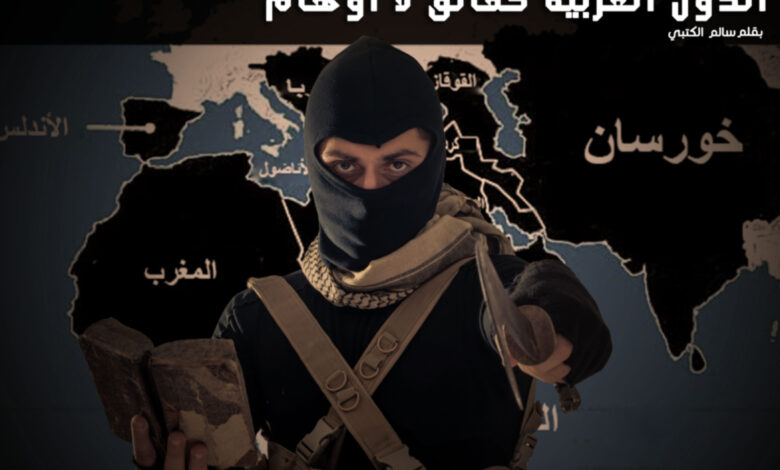
The overwhelming regional chaos peaked a few years ago with the emergence of Daesh, then with the recent rebellion to control Yemen similar to the experiences of the Shia in Iraq, and Hezbollah in Lebanon, both of which are sponsored by Iran.
Everyone witnessed that the so-called Arab Spring more or less destroyed the remaining foundations of national States in many parts of the Arab world. The movements were supported by regional powers, like Turkey, that sought to strategically expand over the Arab sick man.
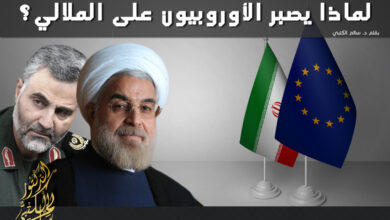
Turkey and Iran interfered in the region, collaborating with parties from the Arab inside, sharing common interests and hopeful to form new alliances. The Muslim Brotherhood, the Houthi group, Hezbollah and Islamist groups were the collaborators that sought opportunities to seize power in many Arab countries.
The Arab region, from the Gulf to the Atlantic, is under an unprecedented existential threat. It may be the first time that several countries come, under the impact of external and internal plots, so close to vanish from the map. It may also be the first time that threats, similar in nature, are distributed over several parts of the Arab world. There has to be cooperation between regional and international powers to ignite the hotbeds of conflict to bring the Arab regional order down under a synchronicity of military and political threats.
This conception of the Arab world is not a prospective scenario but a political reality. The conditions may even be worse than described. The way out of this vicious circle, in which regional powers like Iran and Turkey try to keep the Arab countries, is only through effective and original alternatives to deal with causes of the crises in the short and long terms and using the various tools available. The crises cannot be dealt with separately. The sources of threat must not be overlooked under the pretext of dealing with what some might consider more urgent threats. In other words, we cannot overlook the threat of the Turkey-sponsored Muslim Brotherhood while dealing with the Iran-sponsored Houthis. They are both sources of threats and present a challenge, requiring a joint Arab strategy to deal with them at once. You cannot stop your house from burning by putting down the fire in just one room. It is hard to tell which source of risk is most urgent, as the whole situation is out of control. In order to step away from what is truly the edge of the cliff, intensified efforts and mutual understanding between Arab states on matters of national security can be a starting point towards building an integrated and effective strategy.