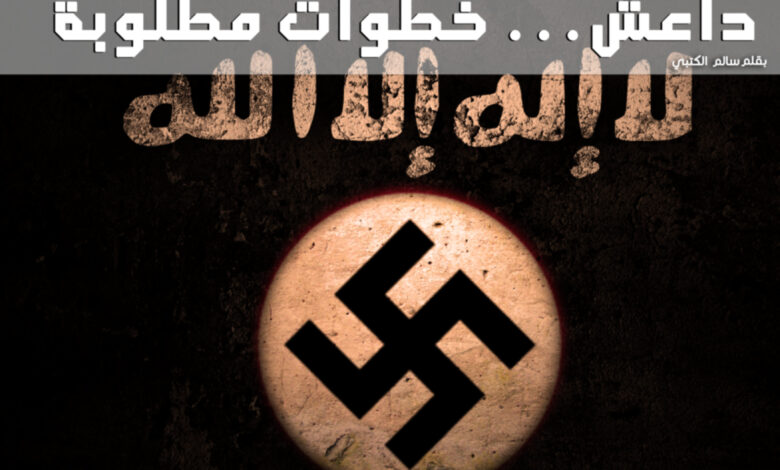
The whole world rose up because of the heinous act committed by the organization Daesh when it burned the Jordanian pilot Muath Al Kasasbeh, the martyr, and strong reactions came resounding from various world capitals.
What I personally fear, and many people with me, I think, is that the accelerated pace of events in the Middle East may cause a decline in the global enthusiasm that targets a real and a more serious facing to the organization of Daesh.
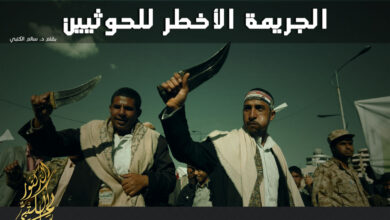
The Middle East is an area that is full with daily events and you barely wake up with the glow of every day without witnessing a tragedy or a new catastrophe. A few days ago, the world was surprised by the domination by the Houthi coup of the ruling power in Yemen, and with the passing of time and hours and days, this situation became like a reality many are studying how to deal with it in the next period.
Many are the disasters that impose themselves on this region during the current period, and Daesh, with its heinous practices, has become one of these disasters, like the Houthis and al-Qaeda and the Muslim Brotherhood and other factors of turmoil and instability in the Middle East countries.
Reality indicates that defeating Daesh requires military action that may extend for years in case this work was limited to air attacks only, according to strategists’ estimates and even official authorities of major countries. One aspect of this scenario means that the countries of the region will continue to suffer depletion by this organization over the coming years, as well as accept the absence of key countries such as Iraq and Syria from the regional rules of the game because of hesitancy and weaknesses and the lack of international will, as well as conflicts of interest and divergent calculations between the capitals of the international decision-making.
One aspect of the problem is that the US administration is still at a standstill and lacks a crucial decision about dealing with the problems of the Middle East, in particular that the status quo has confused its calculations, and it has become very difficult for Washington to wash its hands of this region and focus on East Asia, as it has also become difficult for it to rely on local agents such as Iran or others as it was thought about a year ago, or a bit more.
US presidential elections at the end of next year have also become an obstacle to the resolution of the US decision. President Obama does not want to link his name and history to a new ground war and does not want to leave the White House, leaving behind tens of thousands of US troops in Iraq and Syria, he who came to the presidency through the gate of the withdrawal of US troops from Afghanistan and Iraq. Obama is well aware that his Republican opponents want to push him towards a new ground war which he is seeking all ways to avoid both for his personal history as a winner of the Nobel Prize, or in order to pave the way again for a new candidate from the Democratic Party.
These calculations do not mean in fact anything because Daesh is still a fact that poses a threat to security and stability in the Middle East. It even represents a serious threat to US allies in the region as well as the threat the organization represents to world security and stability by virtue of the unacceptable humanitarian and cultural values it holds.
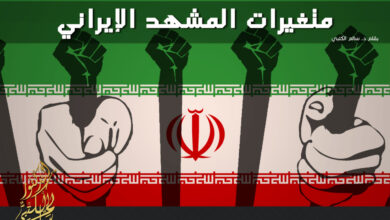
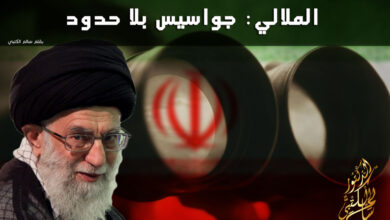
What exacerbates the complexities of dealing with Daesh is that the organization has been associated in the regional powers plans with the future of the Syrian regime. No one can, for example, know Iran’s real intentions toward Daesh as it sees it as kiss of life to the regime of President Bashar al-Assa, as the appearance of the organization at this killer timing has provided a life belt to the Syrian regime from international pressure, which was insisting to topple him, while other countries are still trying to overthrow both Daesh and Assad together, while the third team tries to separate Assad’s future on the one hand and the fate that Daesh deserves on the other hand.
The organization of Daesh, which abounds, alongside extremist terrorist elements, with a Baathist leadership able to read the geopolitical map of the events in the Middle East, is trying to employ all these data in its favor, using the tactic of shock and awe which was the basis for the famous book, published by Al-Qaeda entitled “Management of Savagery”, which Daesh applies literally, as if this book was the only real strategy of the organization.
These complexities and others circumstances do not inspire much optimism about the future of the situation in the Middle East, but hope remains that the coming period would witness more serious moves to eliminate the sources of danger and meet the challenges and threats facing most countries of the region.