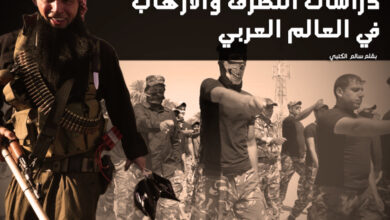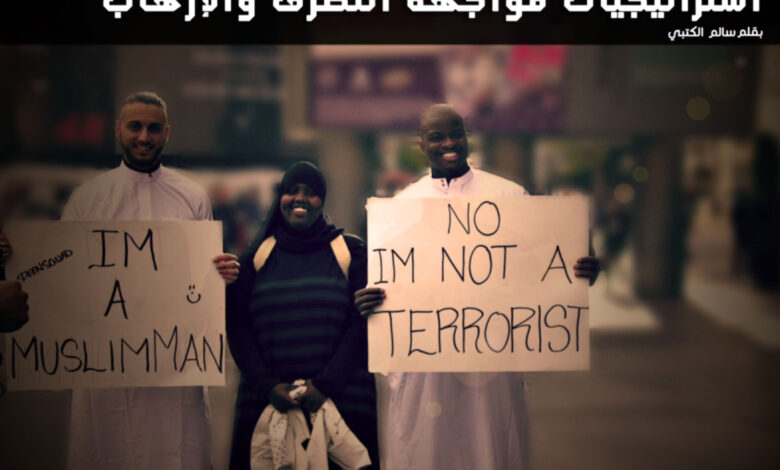
Many conferences, seminars, research activities and panel discussions addressed issues related to the causes and roots and mechanisms of the confrontation of extremism and terrorism, for many decades, and particularly since the nineties of the twentieth century, when many Arab and Islamic countries witnessed terrorist acts. Religious institutions, research centers and institutes, and specialized academies contributed to these research activities, and many of them provided recommendations and suggestions and plans that stemmed from different visions and perceptions of the phenomenon of terrorism.
In 2006, the United Nations Global Counter-Terrorism Strategy recognized that “establishing an international center to combat terrorism can be considered as a part of international efforts to strengthen the fight against terrorism”. As a result, an international center for the United Nations to combat terrorism has been established. But the efforts to fight this phenomenon do not match its gravity and strategic impacts on global security and stability.
There are several gaps that hamper counter-terrorism efforts. Such gaps are mostly related to the multiplicity of the causes of the phenomenon, its creation and reproduction and spread in the countries of the world. There are reasons linked to underdevelopment and the associated poverty, corruption, poor education and so on. And there are reasons related to the conditions of Muslim minorities in Western countries. And there are also reasons relating to the practices of religious, sectarian and ethnic discrimination, and there are of course the traditional reasons related to occupation and oppression experienced by some peoples, as what is happening for the Palestinian people at the hands of the Israeli occupation.
These reasons may not be the only source of terrorism and extremism. There are other reasons relating to trends in new generations and modern means of communication and the expectations created by globalization and its applications in the field of telecommunications, media and so on. These causes arise from the conflict between the developmental reality in most Arab and Islamic countries on the one hand, and the aspirations of young people and new generations that make up most of the population of these countries, on the other hand.
So, the causes of terrorism vary depending on regions and circumstances, but they are consistent in their results and outcomes. In fact, they provide terrorist organizations with the necessary cadres and new elements that these organizations spare no effort in attracting, recruiting, and directing to achieve their goals.
Clearly, a phenomenon as serious as terrorism cannot be completely separated from the problems experienced by most of the Arab and Islamic communities, particularly poor education and lack of religious awareness and the weakness of religious discourse, and the inability of religious institutions to keep pace with modern times and technological development, and the obsolete religious discourse and religious instruction, unable to get on with the technical and cognitive mobility experienced by new generations, in addition to the lack of development and its degradation in some cases, poverty, corruption, mismanagement and other practices that shut the doors of hope to the youth and provide a margin of movement exploited by terrorist organizations to control the minds and the hearts of a large number of young and adolescents in many Arab and Islamic countries.
The way out of these complex paths lies in the implementation of strategies issued by conferences and discussion events and in stopping the immersion in researching the causes of the phenomenon, as these reasons are well known and are almost similar, while efforts related to addressing them appear to be weak and do not match the pace of penetration of extremism and militancy into the minds of the younger generations.
Statistics indicate that the cost of the unemployment crisis whose rates are about 17% in the Arab world, which means about 20 million unemployed, is estimated at 50 billion dollars a year!! Figures also give us explanations that cannot be ignored for this deteriorating situation of unemployment and tactical failure. For example, the percentage of spending on technical and professional training is less than 5% of the budget for education and training in the Arab states, compared with 11% in industrialized countries, while Arab countries are in dire need to increase spending in this area in order to activate transformational training, rehabilitation and other efforts required to absorb the growing youth unemployment rates.
Perhaps the foregoing is one model illustrating the separation between strategies and plans. In fact, the talk about the fight against terrorism goes in a parallel direction that hardly intersects with other development plans in the Arab and Islamic societies. There are many other examples too numerous to mention, but that contribute to reduce the effectiveness of efforts aiming at fighting terrorism, especially activities of dissemination of extremist ideology in villages and hamlets and areas remote from urban centers, which receive much of the attention, be it governmental or developmental, or educational.