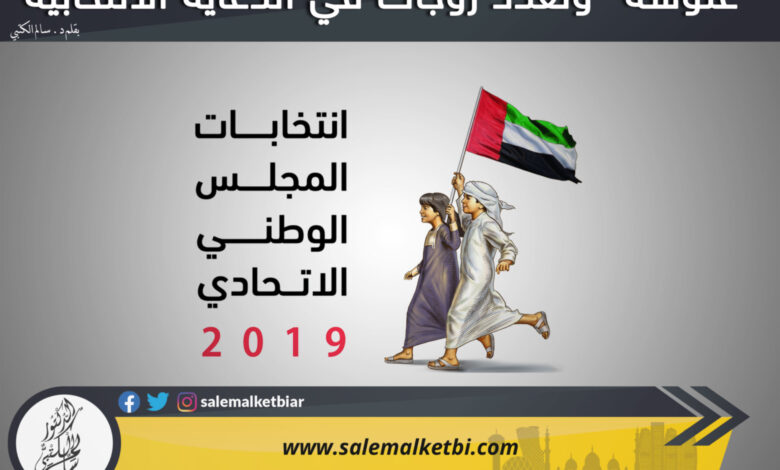
In the middle of the democratic event in the UAE and elections of the members of the Federal National Council for the seventeenth legislative term, there were some social and media debates about the electoral programs. Controversy has arisen over the focus of a female candidate’s program on polygamy as a gateway to a “spinster-free society.” Her campaign appears to be centered on this idea.
This is not the first time that the problem of spinsterhood has been raised in the FNC election campaigns. It has already been proposed and adopted by candidates in previous election campaigns. It is not surprising that one of the current female candidates addressed it.
Polygamy is also a societal topic that some candidates address in their campaigns in various Arab countries. The controversial topic is known to all followers of Arab political affairs, because of its religious, intellectual and other ramifications.
Apart from inspecting the intentions of supporters or critics of polygamy, every candidate running for election has the right to adopt societal issues of interest to him, to society and to the election campaign. This is a reserved right as long as the candidate complies with the rules and regulations adopted by the Election Commission and maintains the rules of social security, peace and public morality.
His or her critics, in turn, have the right to express their opinion on his or her program as long as everyone abides by the principles of responsible freedom without prejudice to decency or slipping into practices that fall within the abuses punishable by law.
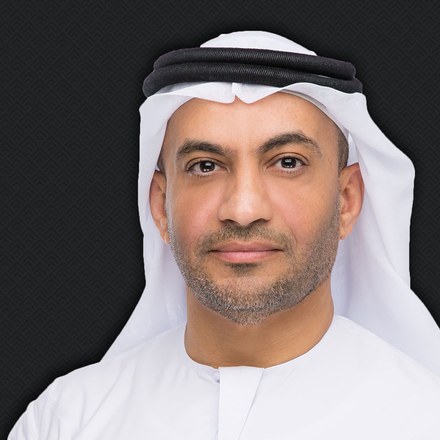
Although I am one of the candidates for this election, I was impressed by the idea of this campaign. That is not because it is such a hot topic, but because it throws new light on a social problem that deserves our attention.
The problem concerns a statistically significant segment of our sisters and daughters. Reported proportions of women over the approximate or customary age of marriage are disturbingly worrying.
This problem has already been addressed in a question to a member of the FNC during the latest Fifteenth Legislative Chapter. The minister in charge said then that there were no official documented statistics on the rates of “spinsterhood” or delayed marriage in women. She acknowledged that it was not quite a phenomenon, but represented a societal concern.
The point is that we society has specificity. Our human resources are not huge. What is a minor issue in other societies may become a social concern.
If the percentage of single women according to some unofficial figures is as high as 65%, we should consider all suggestions. We have to discuss rationally to develop a set of solutions, suggestions and recommendations to curb spinsterhood and help make many Emirati women happier. Our state and our leadership place the happiness of citizens a top priority and do not spare any effort to achieve this.
I do not support or reject polygamy, but I write basically to champion a healthy social conversation about any unhealthy symptoms in our society. So let’s focus on the idea and not blow it out of proportions.
Everyone wants what’s best for our country and paths vary depending on levels of awareness, culture, education, experiences, convictions and subjective experiences. Obviously, every such controversial idea has supporters and opponents. But let us agree that the objective rule is that any social idea can be accepted or rejected based on the results of debate, research and study and not taking sides.
In our country, wonderful human values such as tolerance have roots, and noble goals like happiness have reality. We must tolerate each other even if we do not agree with the opinions and beliefs of some of us, candidates or otherwise. We should also look at our means of happiness, and support the efforts of our leadership and government to make us all happy. We must discuss anything that concerns the Emirati woman, since we empower our society by empowering women, as His Highness Sheikh Mohammed bin Rashid Al Maktoum, Vice President and Prime Minister of the UAE and Ruler of Dubai, said.
Let us put aside any sensitivities or prejudices about any ideas to address what some of us believe to be a societal perturbation for a many citizens of our country, a model of well-being and happiness.