In recent weeks, some analysts have been speculating about the erosion – or even breakdown – of the strategic alliance between the United Arab Emirates and Saudi Arabia.
The authors of these ideas can be divided into two categories. The first is a group of speculators who rely on a simplistic interpretation of the facts without enough knowledge of the nature of the alliance between the two sister countries. They do not understand the factors that govern it or its solid foundations. Their speculations often refer to those she considers “close” to decision-makers, or “unofficial spokespersons,” who launch test balloons to take the pulse on certain issues affecting both countries, such as the situation in Yemen.
When the media reported the alleged withdrawal of the United Arab Emirates from Yemen, this group rushed to say that the strategic alliance would collapse. However, there have been multiple official accounts of a change in the nature of the UAE’s role. In support of the United Nations’ efforts to resolve the Yemeni crisis politically and create a climate for such a settlement, this role has shifted from military to political. But the kind of wishful thinking that this group maintains is not unusual in our Arab world.
The second group includes the Qatar and Turkey-led and funded media, headed by supporters and sympathizers of the Muslim Brotherhood terror organization. This group is pursuing an agenda aimed at tarnishing the image of the UAE and sabotaging the UAE-Saudi alliance. The group, which no longer deceives anyone, spreads vile rumours with the aim of driving a wedge between the two countries by any means possible. But it has failed to achieve its objectives, because its misleading reports are at odds with reality. With the exception of those who adhere to its ideology and share its interests, the group’s channels and sites have no credibility among the Arab people. This group is thus less dangerous than the speculators.
Both speculators and manipulators leverage the same material. They are informed by the analyses of some on social media who talk about some important strategic issues but who are not aware of the interests and constants of states. They also feed on the attempts of those who seek more media attention to pass for pundits.
The problem with speculators is that they do not understand the reality of the UAE’s approaches. This is where pathetic, naive and shallow analyses can arise from the misinterpretation of a tweet that some believe reflects a political position, when it does not.
Some may wonder why the UAE authorities do not disprove such allegations. The answer is simply that the UAE applies certain values and principles. It would be time-consuming to respond to senseless statements and the country would not exhaust its efforts in futile media battles.
Only official positions are clarified and confirmed by the officials, leaders and official services concerned. Relevance and civility have been important pillars of the Emirati model in a variety of areas.
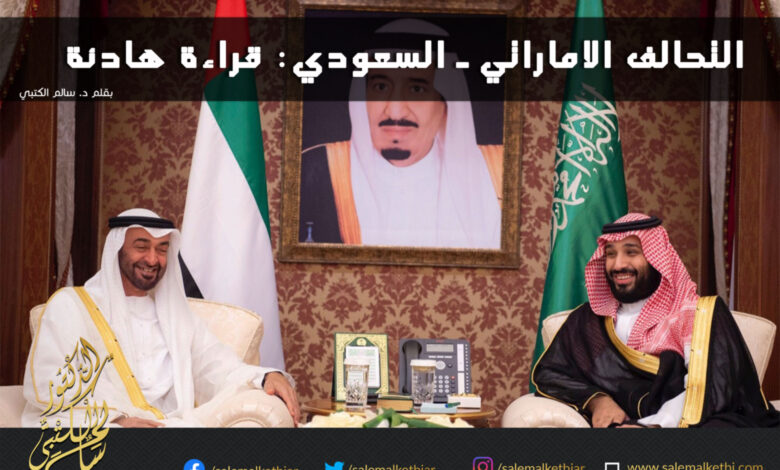
H. H. Sheikh Mohammed bin Zayed Al Nahyan, Crown Prince of Abu Dhabi, Deputy Commander-in-Chief of the Armed Forces, recently visited Saudi Arabia. He met with King Salman bin Abdulaziz Al Saud of Saudi Arabia and Crown Prince Mohammed bin Salman bin Abdulaziz. “The UAE and Saudi Arabia stand in solidarity, with firmness and perseverance, against the forces threatening the security of the countries of the region and the right of their peoples to development, progress and prosperity,” said H.H. Sheikh Mohammed bin Zayed. This statement discredited all media allegations about the cohesion of the alliance between the two close countries.
The UAE confirmed that relations with the Kingdom of Saudi Arabia “will remain strong and solid. They are based on brotherhood, solidarity and common destiny, as well as on the political will of the leaders of both countries and on the bonds of brotherhood and appreciation between their peoples.”
This is an important message, both for speculators and merchants of lies about the path of the strong fraternal alliance between the two countries. Their decision to build a strategic alliance was not tactical, but rather committed to preserve their security and stability against any threat to the gains and interests of their people.