Opinion & Analysis

What Scenarios to Expect after Trump’s Decision on the Iranian Nuclear Deal on 12 May
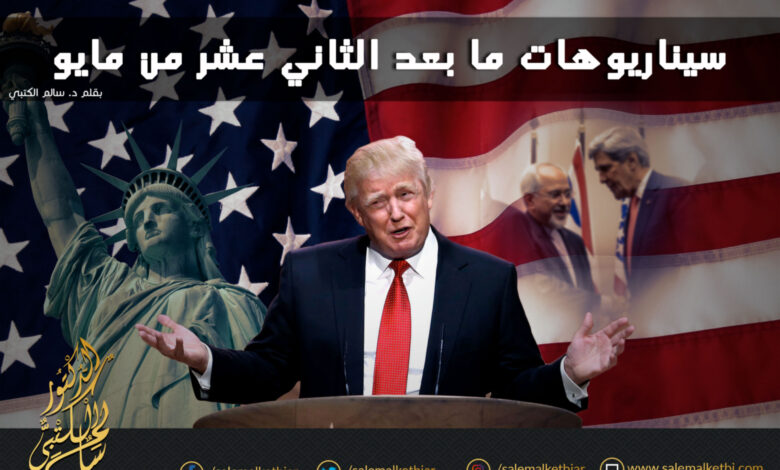
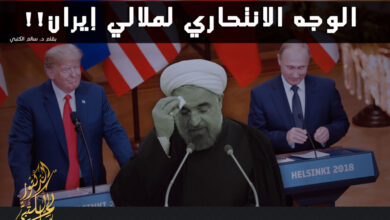
Discussions among political circles around the world have been focusing on Trump’s decision on the Iranian nuclear deal. Will the US pull out of the agreement on 12 May, as previously pledged? Will Trump take into account the reservations of his European partners? The UK, France and Germany want to find another way to resolve the Iranian nuclear deal. The unilateral withdrawal of the US threatens to tear the agreement. China and Russia have rejected Trump’s stance toward the agreement.
Almost all expectations indicate that the US will definitely withdraw from the agreement. A resolution can change Trump’s decision if substitutions are made. This will often be done only through convincing him to adopt Macron’s view. The French president has suggested an additional annex to the agreement. His view was to keep the current deal and add other clauses, clauses that include the post-deal phase (2025), concerns about Iranian regional influence and its ballistic missile program.
The ongoing debate focuses also on the Iranian reaction and the possibility of a military confrontation between the US and Iran following intensified tensions between the two.
At present, the hottest front is in Syria, especially sites of the Iranian militias. These sites are most likely to be the target of US-backed Israeli intense and influential strikes during the coming period. Any negotiations with the Iranian regime can be preceded by a military operation to undermine Iran in Syria. It is difficult for the US and its allies to get concessions from the mullahs. Iran is in a state of strategic jubilation given current circumstances.
Obviously, strategic planners will break the mullahs’ will before launching any negotiation process. Northern Korea has given up its threats under pressure of Trump’s brinksmanship. He has professionally applied this strategy.
Proxy war on Syrian territory will inevitably lead to a direct military confrontation between Israel and Iran. If the mullahs resort to making Hezbollah launch missiles targeting Tel Aviv, Israel will react violently against the headquarters in Tehran.
Israel is currently waging a limited and intermittent war in Syria. The war is kind of brief bombing of Iranian missile stores, the sources are sometimes known and others anonymous.
Iran is still waiting for May 12 to know Trump’s decision. Tehran’s response will probably not be direct but through its agents (Hezbollah). This scenario means opening a new conflict. Lebanon will pay a war bill that it has nothing to do with.
Major Powers will apparently defuse this probable conflict. The upcoming summit between Netanyahu and Putin will determine the scenarios of the coming period, in terms of the war, its territory, its borders and its objectives. Britain and France may also push for defusing any confrontation between Israel and Iran. Macron had told the US Congress that the major powers should learn from the past and should not run the crisis with Iran in a way that would lead to a new war.
The US’ withdrawal from the agreement is likely to confuse Iran’s political circles. It would give the Revolutionary Guards the power to decide at the expense of the supporters of the nuclear deal. The role of Rouhani and his foreign minister in decision-making is expected to diminish in favor of the Guardians. But the Leader may interfere to curb the influence of the IRGC, especially the leaders of the Quds Force – the external arm of the Revolutionary Guards.
UN Secretary-General Antonio Guterres has warned that the US’ withdrawal from the nuclear deal with Iran will lead to war. Guterres’ statements alerted the world’s political circles to the risk of a new war. But the world is not convinced that Trump plans to wage a military conflict with Iran or others. He won’t lose more US soldiers. Trump has been asking his Arab allies to send troops to replace the US forces stationed in northern Syria.
If Iran can escape from international pressure over the nuclear and missile program and its expansionist plans, it will be a disaster on regional security and stability. The international community must deal with the mullahs not in accordance with the containment strategy. The western strategy must be based on trapping and giving Tehran a bloody nose so as to stop spreading chaos and unrest or the Middle East will be out of control.