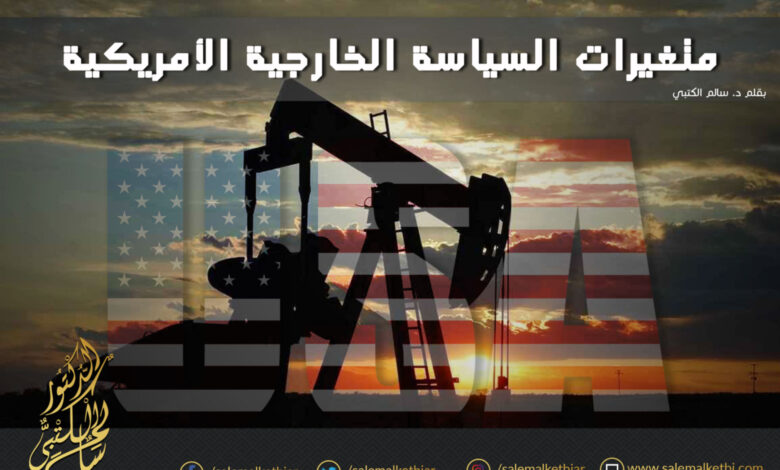
In an article, the Daily Telegraph stated that the US crude oil production is hitting the records high. The daily production of petroleum has reached 10 million barrels. According to the Daily Telegraph, the US president’s energy adviser said, in the last world conference on oil and energy held in London, that the US is preparing to become an energy exporter during the next 10 years or less. He added that his country is working to dispense with unstable energy sources from abroad.
The newspaper assumed that this development means that the US is less interested in energy security in the Gulf. The US military presence in the region is declining. The US is not feeling as much pressure as before to secure Saudi oil import to its markets with the lowest prices.
The US commitment to securing oil exports from the Gulf has not been purely linked to its interests. The US imports of oil from the Gulf have not exceeded 15% of total imports in recent years. The US military presence in the Gulf region is not only related to Washington’s immediate interests. This presence bears the burden to secure oil exports to the NATO partners in the EU. In this way, the US strategically serves NATO’s strategic interests. The US maintains its presence in the Gulf to control the energy resources, many of which go to its new strategic rivals, especially China. Obviously, a major player who controls transmission lines of oil can have pressure on any economy benefiting from these supplies. This is highly important in the equation of international strategic relationships.
The decline of US concern about the security of the Gulf has begun with Obama’s pivot to Asia. Obama’s strategy had encouraged the US to sign the nuclear deal with Iran, hoping to calm down tensions in the Gulf region. Obama was preparing to reduce the US military presence in the region. Trump has overcome this strategy. Iran could replace North Korea as the biggest threat to the US national security.
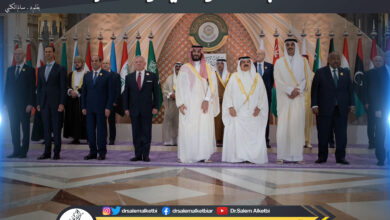
The foreign policymakers in the GCC countries are becoming aware that the traditional strategic partnership with the US is changing in accordance with its strategic interests. Despite Trump’s commitment to the security of the Gulf allies, he has a specific stand on this issue. The new US policy is based on strategic calculations. It cannot be assumed that the US commitment toward KSA, UAE, Kuwait and Bahrain is over. Strategic interests include other complex files and not only crude oil.
The US foreign policy toward the Gulf includes both the crude oil file and US commitments to the region. Rock oil production reduces the US concerns about military presence to protect energy security. But the Gulf region remains a top priority in US foreign policy.