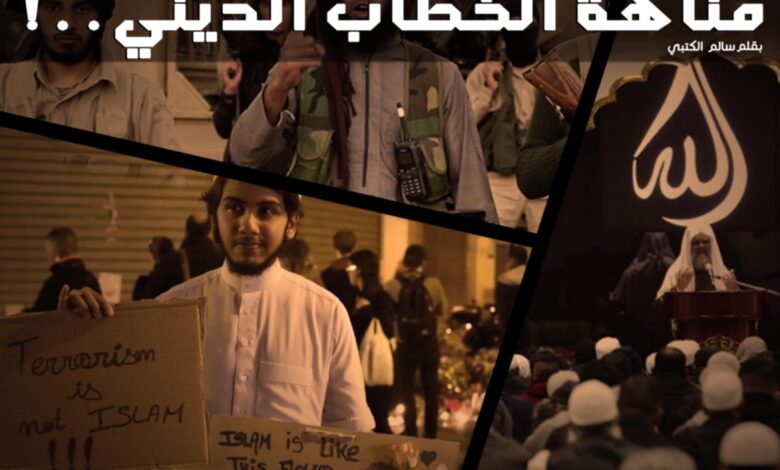
Over the last years, the talk about the ‘renewing of religious discourse’ – or tajdid in Arabic – overshadowed other discussions in the political circles and both the conventional and social media in the Arab world. Many articles I write dealt with the fact that nonproductive debates and controversies cannot compare to action, planning and implementation. Although talk, debates and calls were made, the religious discourse was not ‘renewed’.
Tragic. They talk, not act. A lot of words, a little action. Countless times, the importance, mechanisms and strategies of religious discourse renewal were all discussed and debated. Then there was silence. The lengthy conversations yielded no applicable results, no plans or strategies.
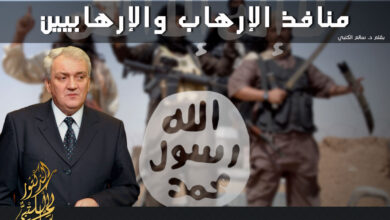
So far, the religious discourse is still associated with rigidity, extremism and intolerance. The violent rhetoric is still being produced through the same channels. All that was done was calling for change, to the point that all everybody seems to do is making demands. People compete to appear on TV and through various media outlets, talking about the importance of the feasibility of renewing the religious discourse, as if the idea needed promotion. Meanwhile, everyone knows what the renewal is about, and they are seeking solutions to the terrorism dilemma that poses a threat to security and stability all over the Arab/Islamic world.
Unfortunately, no actual moves were made, not even simplistic plans, placebo measures, or actions to justify the huge piles of money spent on conferences, seminars and lectures over the past two years, all ‘calling for’ the renewal.
I am convinced that, if half of the financial allocations wasted on media and pseudo-research activities were dedicate to directly tackle the issue, things could have got better. If we set programs to raise awareness of the essence of Islam to present and coming generations, spending half of that money to train specialists on religion, there will be a sea change in the rigid religious discursive practice.
Why did major religious institutions not move towards renewing the religious discourse? Why is everyone claiming spiritual leadership without making any real efforts to save young people from the terrorist discourse spreading in the social media like fire?
Indeed, many remained weak as they face their historical and religious responsibilities in the inescapable battle. Indeed, most Islamic scholars just monitor what is going around, and then make some throwing-dust-in-the-eyes statements to acquit terrorist organizations.
I am not accusing anyone here. What I think is that the present situation portends further violence, terrorism and distorted images of our Islam that was kidnapped by group of terrorists and criminals. As long as the shameful silence or fruitless condemnation is the main function of our religious institutions, terror groups will continue to speak on behalf of Muslim populations. Generations to come can only be protected from the chains of terrorism through serious work and dedicated actions at the present.
All in all, it seems that the talk about renewing the religious discourse has turned into a cliché. Does that mean that the majority succumbed to the culture of violence and terrorist ideology? I hope not. Until the questions get answers, there is no choice but to keep watching as terrorism activates all over the Arab world.