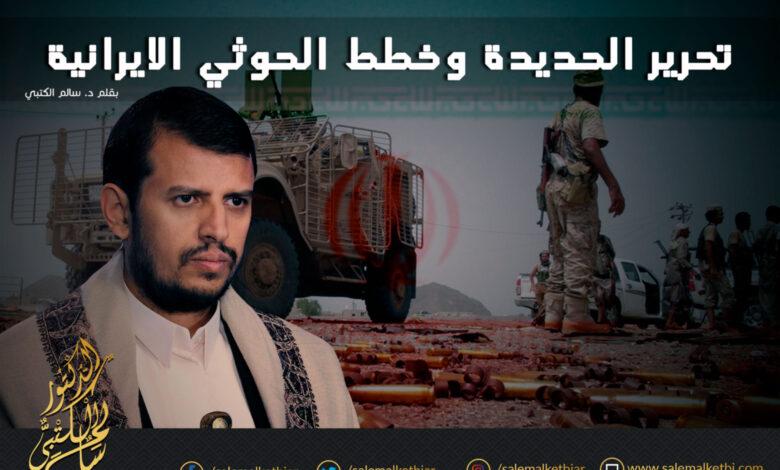
Reports about UAE’s humanitarian aid to Yemen comes before the military participation and support of the Yemeni resistance. The main focus of the Arab alliance countries is aimed at the humanitarian and relief aspect. Winning the military battle against the Houthi militias is easy. But the military militias take civilians as human shields, making the situation worse. They even deployed tanks and guns among houses in the residential neighborhoods. Snipers were also deployed on buildings to lure the resistance forces into a street war. Such a war could kill more innocent Yemeni civilians.
The Houthi plan in Al-Hudaydah was to leave the population to starve and cause diseases and epidemics to spread. They wanted to cause a humanitarian crisis thinking it would lead to international pressure on the Arab coalition to halt its military operations in Yemen.
Media reports from Al-Hudaydah referred to the Houthi’s plan in the city. Most of the city’s streets are full of trenches and there is a large spread of tanks, cannons, snipers and militia elements, forcing residents to take pictures. The plan is intended to have pressure on the Arab coalition countries. Militias have also turned mosques into military stores and barracks, preventing worshipers from entering them. Checkpoints are set at the entrances and exits of residential neighborhoods.
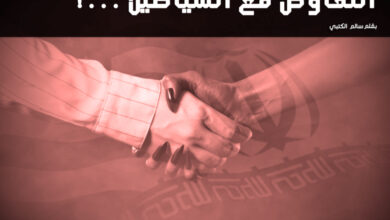
The Iranian-Houthi plan was in short: creating a humanitarian disaster in Al-Hudaydah.
Yemen should be freed from these disastrous militias. The UAE have sent hundreds of trucks loaded with humanitarian aid to Yemenis in and around Al-Hudaydah. On the directives of His Highness Sheikh Khalifa bin Zayed Al Nahyan, President of the UAE, and His Highness Sheikh Mohammed bin Zayed, the Crown Prince of Abu Dhabi and Deputy Supreme Commander of the UAE Armed Forces, a comprehensive humanitarian plan was being implemented at an accelerated pace. The Emirati move was part of the efforts undertaken by the wise leadership to implement its humanitarian obligations and responsibilities towards the Yemeni people.
The UAE is in no need for international tutelage on the Yemeni issue. As part of its commitments to the security, principles, humanitarian and moral values of its neighbors, the Emirati forces have participated in the decisive storm and restoring hope Operations. The UAE has sacrificed the lives of its sons on the Yemeni territory. Shared history and common destiny with the Yemeni people necessitated these dear sacrifices. The humanitarian and relief actions must always accompany military and operational planning in Yemen. Saving the Yemeni people is a duty to be carried out by our wise leadership willingly and with determination.
We are aware that the battle to free Yemen is difficult. But the militias that refuse to lay down their arms and insist on intransigence and take innocent civilians hostage did not leave room for any other solutions. Keeping things as they are makes these innocents subjected to the worst violations and crimes made by the Houthi militias.
The last operation in Yemen was of humanitarian nature. Freeing the city is a military issue that could have been resolved within five days. The coalition leaders were determined to free Yemen through a microscopic military operation that places civilians’ safety and infrastructure as a major goal.
The Yemeni people should be paid tribute for his steadfastness in Al-Hudaydah and other cities. Yemenis have been aware of the true intentions of the Iranian-backed Houthi militias. These armed groups must pay for the crimes they committed in the country. Tehran has been behind inciting Houthi groups to turn Yemen into a quagmire of blood. The international law must address issues of instigating, funding and supporting terrorism, or the world will become an arena of chaos and bloodshed. Traders of religions and sectarian groups, like Iran’s mullahs, are the main source of instability and chaos in the world.