Trump’s decision to recognize Jerusalem as Israel’s capital is a free gift to the Iranians. This move will give them an opportunity to work under the scene and expand their control to other Arab capitals.
The current US administration is serious about the Iranian threat yet no strategic plan has been set for this. The US is going to establish an international non-military alliance to counter Iran’s influence in the Middle East in order to deal with Iranian expansionism separately from the nuclear deal. The Trump administration downplayed the nuclear deal, avoiding making the signatory parties mad. Washington needs these countries to build an international stance against the Iranian influence. Particularly, it needs Russia pressuring Iran to get out of Syria.
Syria is for the US the first front line with Iran. The IRGC are near Israeli borders. Iran declared its intention to have military bases in Syria, which means supporting Hezbollah in Lebanon through Iraqi and Syrian territories. The transnational route is reportedly finished and weapons are being transported to Syria.
To prevent Iran from reaching the Mediterranean, major powers must quickly deal with the situation. The time factor would only benefit Iran.
EU leaders made it clear that Iran is the main source of instability in the region. But the mechanisms to deal with its threat remain problematic, a disaccord Iran is taking advantage of.
The Europeans are caught between Washington and Tehran and the latter is using this to violate international law and the sovereignty of States. Europe should not remain prisoner to Iranian pressures.
The Gulf and Arab countries should act to narrow the gap between the EU and the US positions on the Iranian threat. Nothing says Europe will follow the lead of the US, especially with the support of the neighboring Russia to Iran.
The EU does not want the US administration to withdraw from the nuclear deal but wants to come up with a mechanism to punish Iran for its missile program violations but some proposed sanctions are hard to take due to the economic and trade deals signed with Tehran.
A few days ago, US Defense Secretary James Matis said he does not see the need for a stepped-up military posture against Iran. “Not militarily, no.”
“It’s the reason Ambassador Haley was there and not one of our generals,” he told Pentagon reporters. He explained it is “a diplomatically-led effort to expose to the world what Iran is up to.”
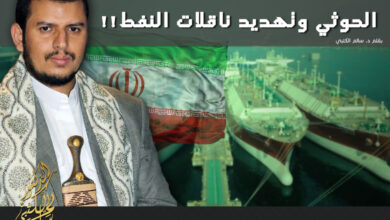
Ruling out the military option will tempt Iran to carry on with its plans. International sanctions and internal social trouble is not really a concern for the Iranian regime.
Will the diplomatic naming and shaming stop the Iranians? I strongly doubt it. Ms. Haley has provided evidence about Iran’s involvement in sending missiles to the Houthi guerrillas in Yemen but everybody already knew about it. The question is not about presenting evidence but building an effective strategy to counter the Iranian threat and keep the international community united against it.