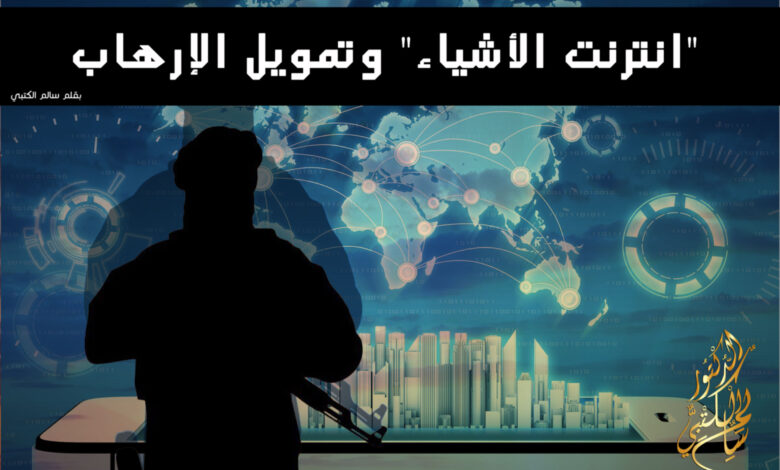
The war against terrorism is about to end, some people speculate, especially after the close defeat of Daesh in Iraq and Syria and the decline of Al Qaeda. Yet, evidence on the ground does not confirm that.
For one thing, the threat of lone wolves emerged. Sleeper cells and terrorist sympathizers, involved in complex networks of communications, are pushed to commit attacks individually and spontaneously. We keep hearing about vehicle-ramming attacks across Europe that seem unpredictable, even to security experts, often carried out by people with no previous convictions.
There are also the lessons in the recent history of terrorist organizations. Over the last three decades, some groups split, but their danger grew as they spread pretty much everywhere. Mostly made of individuals trying to evade pursuit and persecution and finding refuge in certain parts of the world, these groups prepare their next attacks from there. The rise of terrorist organizations in the 1980s and 1990s in Egypt and the disintegration of Al Qaeda after the death of Osama bin Laden are cases of that.
The terrorist organizations go through separate stages, with each new generation becoming more dangerous and violent than its predecessor. Al-Baghdadi was more ambitious a leader than the founder of Al-Qaeda. Bin Laden adopted a more radical ideology than his predecessors in the JO and Takfir wal-Hijra groups and other small first-wave terrorism organizations in the 1980s.
Terrorist organizations develop on their own but also using their combat experience accumulated over the years. Al-Qaeda used Afghan Arab fighters. Years later, Daesh adopted the ideology of Al-Qaeda derived from the book “Management of Savagery” which it applied to the letter.
Moreover, some experts in the West say terrorism isn’t over yet. Jonathan Evans, a well-known counter-terrorism expert who was Director-General of the British Security Service, has recently warned the UK that the threat of Islamist terrorism will remain for two or three decades.
He said that this generational threat would probably not end soon. “My guess is that we will still be dealing with the [terrorist threat] in over 20 years’ time,” he said.
Evans added that as domestic appliances, vehicles, and other infrastructure are increasingly connected to it, the Internet could become another source of terrorist threat.
We are already living in the era of the Internet of Things. Everything in our lives, inside and outside our homes, will soon be linked to the global network. By 2020, the IoT market is expected to exceed that of mobile phones, computers and tablets.
Terrorists will develop their destructive capabilities using such new technology. The conflict with terrorist organizations will not be on the mountains and in the caves, but over computer networks and codes.
In the future, will terrorists benefit from technology even more that some countries do? Yes, as shown by the history of terrorism. Daesh found its strongest weapon in the new media and hi-tech, which they used to spread propaganda better than some countries did in counter-terrorism. Also, unlike their precedents, the latter generations of terrorists received better education, some in Western countries.
The ideological and organizational evolution of terrorism is to be taken seriously, now more than ever. We should not just challenge the ideology, we should also follow the money. We might be surprised to find out that such a wealthy country like Qatar and other sponsors of terrorism are financing today the terrorists of tomorrow.