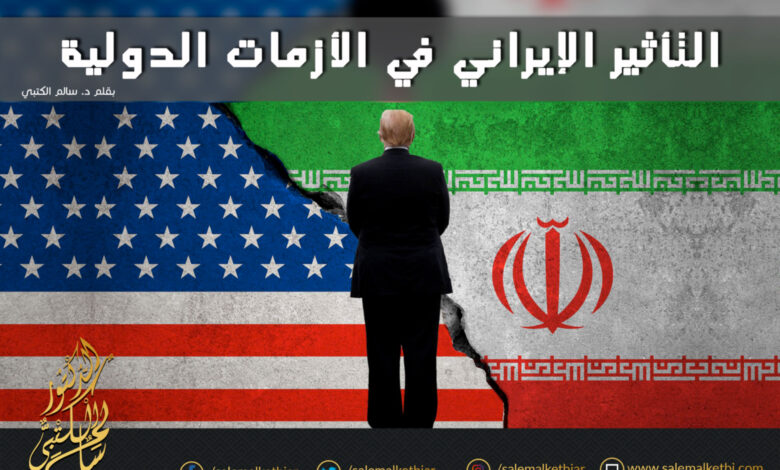
In today’s political scene, international crises can intertwine. Over the past years, Iran has been following the North Korean crisis, wanting to reproduce the same scenario someday. For years, the Iranian mullahs have been using the same tactics as the North Korean regime to manage the relationship with Washington. It became clear that Tehran and Pyongyang cooperate not only on military and nuclear levels, but also in terms of crisis management and the use of the brinkmanship policy with successive administrations. But the President Trump administration knows how this kind of diplomacy works and how to switch between tension and detente.
At the Singapore historic summit between Trump and Kim Jong-un, Pyongyang began to work toward nuclear disarmament, but with no timetable, details or mechanisms. Kim also pledged to dismantle the missile tests site and the main location for the launching of missiles saying that “[work at] the site of the nuclear tests may be suspended if the United States takes reciprocal action”.
After the summit between the North and South Korean presidents, the two sides adopted an unprecedented, surprisingly calm tone.
Despite the stalemate in the North Korea’s nuclear disarmament negotiations, Pyongyang recently took tougher positions. North Korea’s foreign minister warned that there was no room for disarming his country if the United States continued to impose sanctions. “The sanctions imposed on [his] country have deepened distrust with the United States”
Talking about mistrust again,, despite Trump’s tweets about “falling in love” with North Korean leader Kim Jong-un. “I was being really tough and so was he,” said Trump. “He wrote me beautiful letters. They were great letters. Then we fell in love,” he added. Trump cited Pyongyang’s moratorium on nuclear testing and the cessation of ballistic missiles as evidence that his approach to North Korea was successful. Critics say North Korea’s nuclear program continues, however.
Despite the so-called atmosphere of “love”, the North Korean Foreign Minister told the United Nations that continued sanctions were deepening mistrust in the United States. “Your policy is a pipe dream.”
Certainly, President Trump will not admit any stumbles in the negotiations with North Korea, especially before the November midterm elections, not to mention his known tendency not to admit failure of his policies.
Did President Trump’s withdrawal from the nuclear deal with Iran change North Korea’s approach amid talks about mistrust and “no unilateral moves”? Has North Korea been affected by the developments in the crisis between the United States and Iran?
Because of the different conflict environment, North Korea is likely to be an isolated case for the United States, but it will continue to watch how the Iran-US crisis goes. An interaction between to two crises is inevitably emerging. North Korea’s intransigence may again encourage the Iranian regime to continue its rogue diplomacy, which might frustrate President Trump’s effort to make the North Korean crisis management a model to follow in dealing with the Iranian nuclear threat.
Therefore, the United States must take into account such dynamics of interaction and develop a comprehensive strategy to deal with Iran whose theocratic leaders can be more reckless than their North Korean counterparts.