As a Gulf expert, I know that the Iranian mullahs’ regime is arrogant enough not to take the advice of its concerned neighbors. Their concern is, of course, regional stability and security and to put their wealth at the service of development and efforts to serve the millions of young people who want a better future.
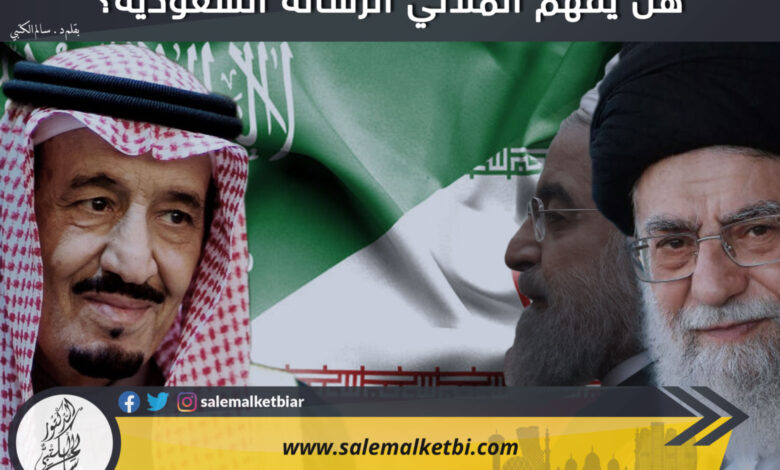
However, we still have hope, albeit weak, that the leaders of the mullahs’ regime will comprehend the message of Saudi King Salman Bin Abdul Aziz Al Saud before the Kingdom’s Shura.
In his speech, he called on Iran to abandon “its expansionist and destructive ideology,” adding that this ideology could harm the Iranian nation.
“We hope that the Iranian regime will choose wisdom and realize that it has no way of escaping the international position rejecting its practices, except by abandoning its expansionist and subversive ideology that has harmed its citizens before all its citizens,” King Salman said in his speech. It is precisely the Iranian people themselves who are the greatest victims of mullahs’ expansionism.
Reality speaks for itself. The question does about what Iranian demonstrators do every once in a while, but rather about the indicators of the Iranian economy. The situation is totally disturbing in a country that is supposed to have significant energy reserves, as well as other human and material resources.
The mullahs’ policies have plunged the Iranian economy into an unprecedented slump. The reason is their relentless attempts at sectarian expansion and their conflict with the United States, which has withdrawn from the nuclear agreement.
The Trump administration has imposed sanctions that it believes are the most severe in the history of economic sanctions against the Iranian regime. Yet the regime insists on challenging the sanctions, the consequences of which are borne only by the Iranian people.
The regime refuses to enter into any negotiations with the US administration, despite persistent attempts by the French Presidency last September. These efforts almost led to the opening of a dialogue, but the Iranian Supreme Leader who pushed Iranian President Hassan Rouhani and his Foreign Minister to reject the French proposal on terms that the United States could not accept.
US sanctions may not yet achieve the objective of zeroing Iranian oil exports for a number of reasons. But they have certainly succeeded in getting Iranian oil out of its so-called export position, causing the Iranian economy to contract at historically unprecedented rates.
Food prices have risen by 70 percent, with the Iranian people facing a double disaster, unemployment growing even before US sanctions, and the number of Iranians living below the poverty line on the rise.
These negative indicators are likely to hold up well. The Trump administration will keep stifling the Iranian economy as long as the mullahs do not respond to the call to take part in negotiations on Iran’s nuclear and missile programme.
Perhaps the Saudi King’s message is about finding a way to achieve regional and international security and stability. At the same time, it is in the interest of the Iranian people and even the mullahs’ regime.
This regime does not realize that its policies sabotage the aspirations of its people and the chances of the regime itself remaining in power. The outdated approach, the constant intervention in the affairs of other states, the imposition of a certain sectarian program and the challenge of the will of the international community belong in the past.
Iran cannot live as a miserable island among its neighbors who are developing their country, exploiting wealth for the interests of their people and making rapid leaps forward. Nor is it possible for the Iranian regime to change the whole world and impose a narrow sectarian perspective, shared with extremist and terrorist groups and the failed Daesh State.
As the world moves at a faster pace towards progress and development, the construction of mutual interests and the well-being of peoples, contradictory visions of civilization and history still clash with reality and geographical context.
Some countries do not yet have the elements of life and will only do well if they change their world view and learn to co-exist and adapt to the realities and needs of peoples.